• abstract
  • selection
  • random
  • ai
  • design
  • code
  • art
  • teach
  • theory
  • play
  • Dead Crossing preview

    Dead Crossing

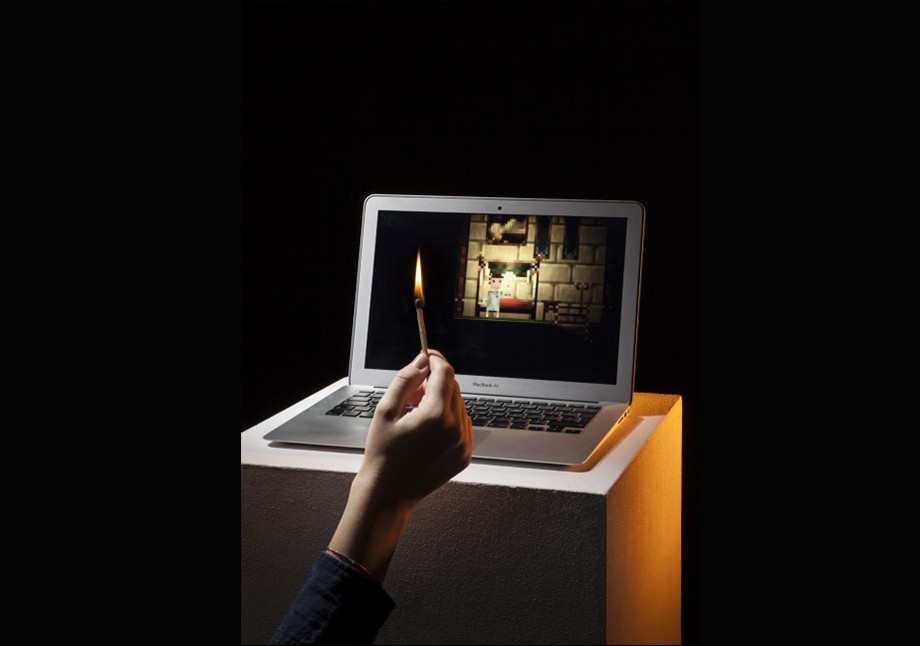
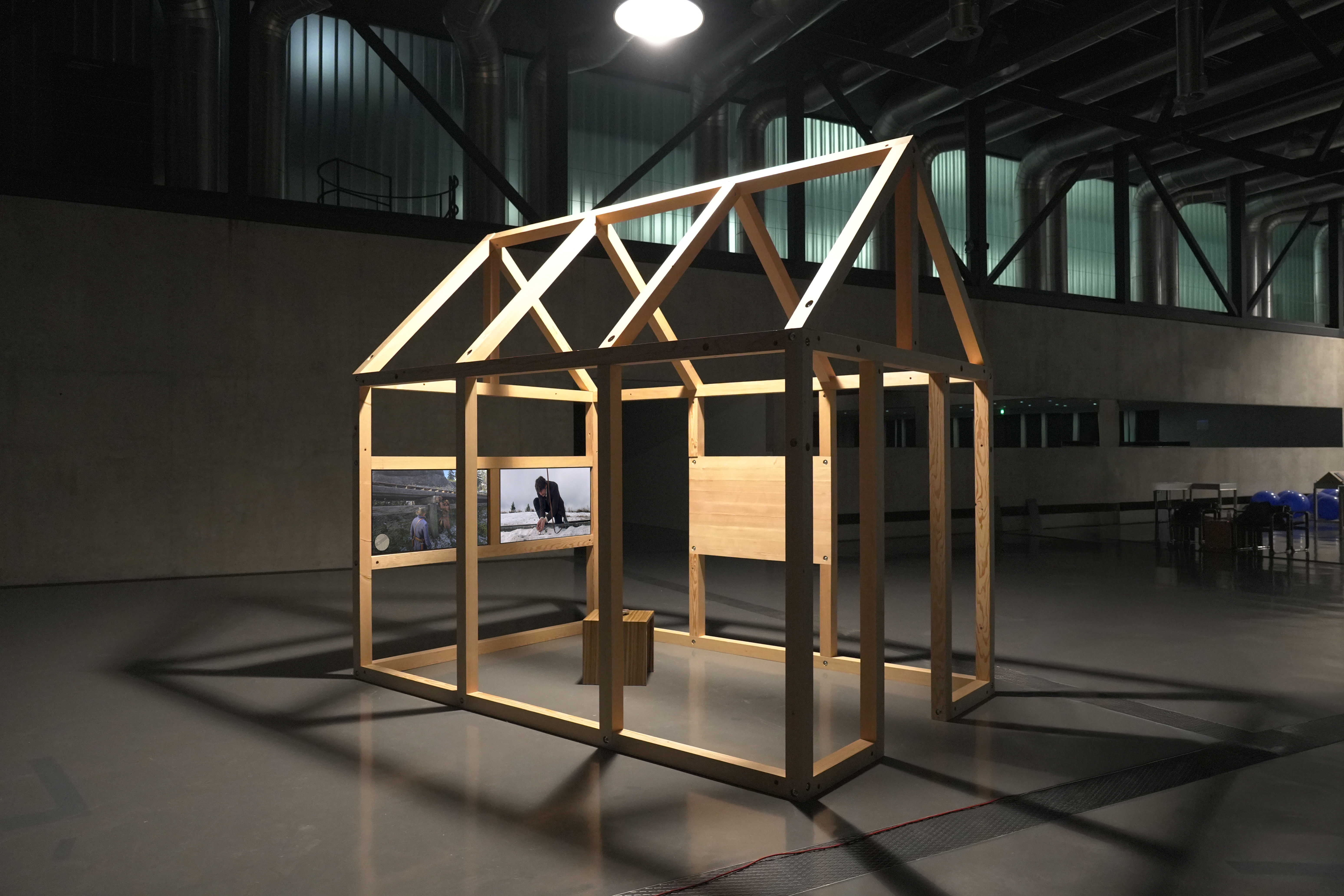
    Cowpokes riding through the ghost town of an abandoned Western. Isolated cabin, solitary frames, staring out onto the flickering plains of a mythology fading to red. A crossroads. Two mediums, revolvers drawn, caught in a deadly standoff.

  • Continuing Education preview

    Continuing Education

    in 2023 I helped HEAD – Genève initiate a series of public training courses, and coordinate three in particular: Game Design, Artificial Intelligence, & Creative Coding. For 2026 we now up to 11 courses.

  • Instruments hallucinatoires preview

    Instruments hallucinatoires

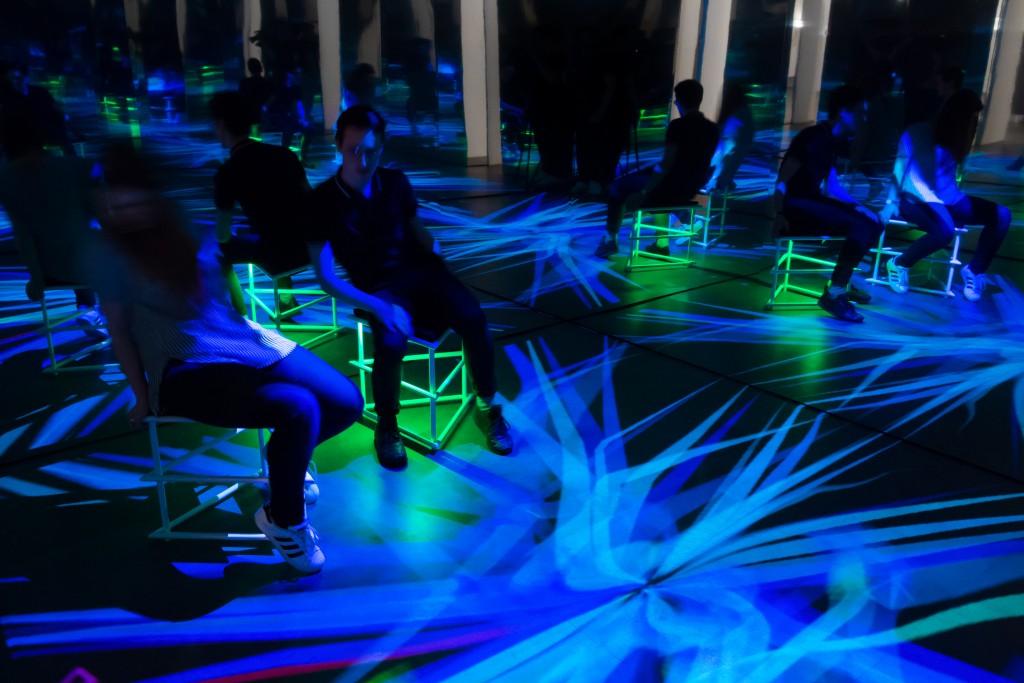
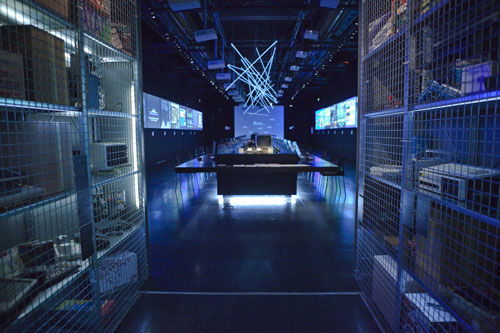
    I was invited by Séverine Redon of HiFlow Geneva to speak on the subject of dream machines for the exhibition she organised on the power of dreams.

  • HEAD Tutorials preview

    HEAD Tutorials

    As part of my work on pedagogical innovation for the HEAD, I have been working with various technical pools on a series of tutorials.

  • AI, Art & Design preview

    AI, Art & Design

    This was an interview with Google, hosted by Ashley Oldachre, following our exhibition Hybrid Strategies for Art & Design.

  • Possible Bodies preview

    Possible Bodies

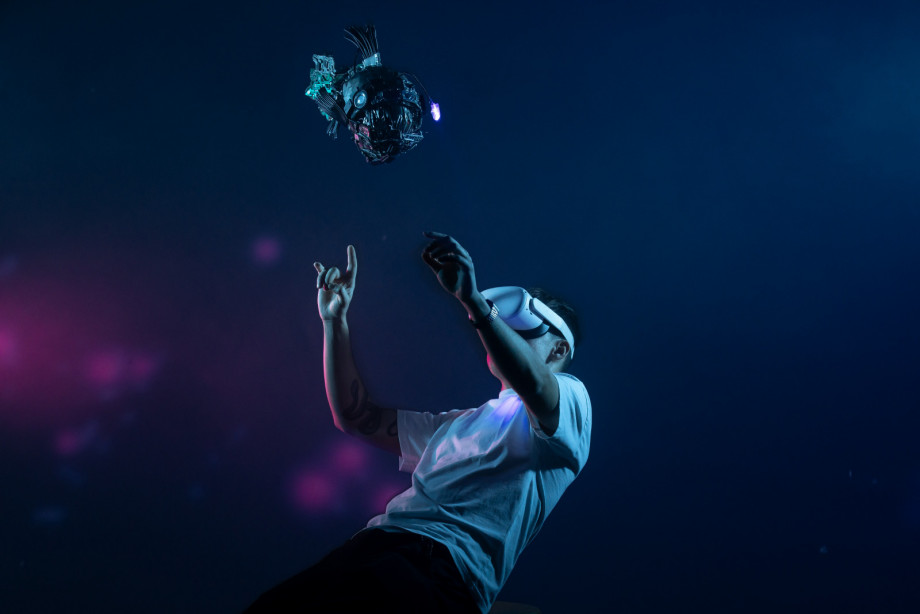
    Possible Bodies was a collaboration between the Master Media Design + Swiss Paraplegic Group. This workshop focused on creating playful, immersive virtual reality experiences to facilitate the rehabilitation of people with motor difficulties. Our mission in this project was to develop unique prototypes that use immersive gameplay to explore new potentials for rehabilitation. Students imagined new ways of moving, playing, and feeling in virtual space — creating immersive experiences for and with paraplegic players. Six functional and semi-functional virtual reality prototypes were created.

  • Crafting Worlds preview

    Crafting Worlds

    As artificial intelligence blazes through the many fields of creative practice, perhaps now is the time to check the temperature of the smoldering remains. At the heart of contemporary artistic and design practices lies worldbuilding — whether through speculative futures, design fiction, or immersive storytelling. The act of imagining new realities has become a central strategy for constructing alternative possibilities within our increasingly complex world.

  • Heidi Forever preview

    Heidi Forever

    Alongside the immersive performance My Name is Heidi, I curated and moderated the panel Heidi Forever: a discussion exploring Heidi’s origins, her connections to Switzerland and Japan, and the series of virtual reality prototypes we developed to explore these themes with the students of the Media Design Master programme.

  • My Name is Heidi preview

    My Name is Heidi

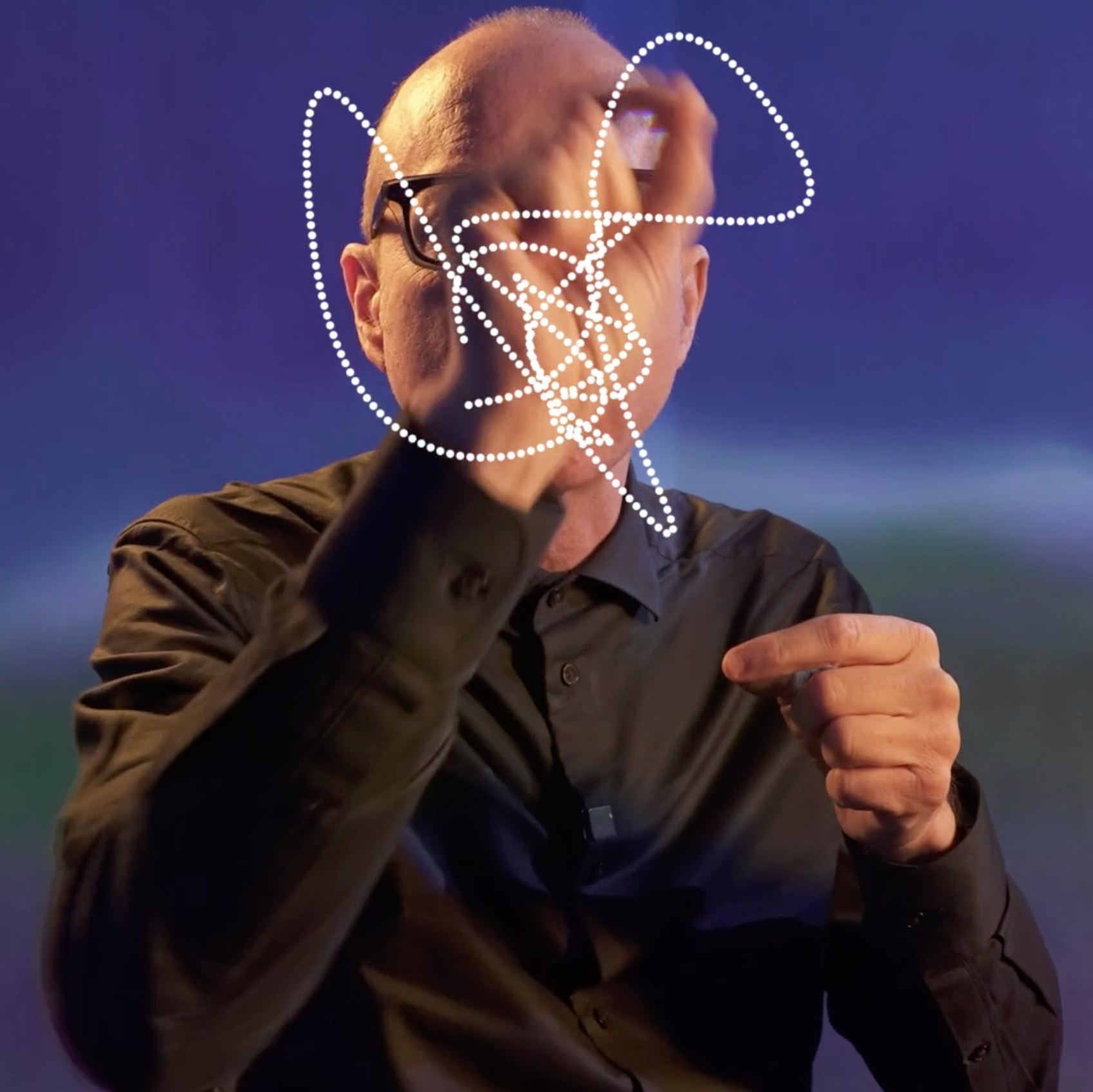
    HEAD – Genève created an immersive performance on April 22, 2025 that opened the Swiss Pavillion Osaka 2025. I was part of the HEAD advisory team from the beginning of the project, working specifically on the original brief that lead to the selection of our artistic directors Métilde Weyergans and Samuel Hercule from La cordonnerie. Throughout 2024-2025, Joanna Haefeli and I coordinated closely with Katalin Jenni-Szaloky and Lorenzo Pagnamenta for Presence Switzerland. I also did preparatory work and on-site production with the excellent team run by David Cole (デイビッド コール) & Shota Dan (團 翔太) who coordinated for the Osaka National Day Hall. I also had a lot of random little jobs, such as helping the filming team wrangle the HEAD – Genève immersive Grey Box space which we used to film all of the fashion and jewellery pieces selected for the performance. And finally, once we were on-site, I was the lead of getting La cordonnerie in sync with the National Day Hall team, and running the control room. That last bit was a bit of a homecoming of sorts — an odd return after all these years — as I started in live-television production all the way back when I was a 15 year-old California Boy® living in Silicon Valley, working for public television: pulling cables, running control panels, setting up lighting and microphones for local basketball games, city council meetings, debate programming, and so on. You know: all that Between Two Ferns-style programming we knew and loved back in the day. Sitting up in that booth in Osaka felt like the same old configuration. Even the social cues and gestures, albeit with that special sauce so particular to Japan, were more or less the same, some 30 years later. This is perhaps also a commentary on how certain forms of media continue to resist change: the “television” mindset where “spectacle” is caputured in a very particular format, no matter how big or small the budget. It is almost as if the Internet, and specifically YouTube, never happened. Along with this production work for the performance, I worked with the students from the Master Media Design on a series of VR prototypes, one of which was completed and developed for a presentation on April 23 at the Swiss Pavillion, Osaka 2025 (cf. Heidi Forever)
  • Quad preview

    Quad

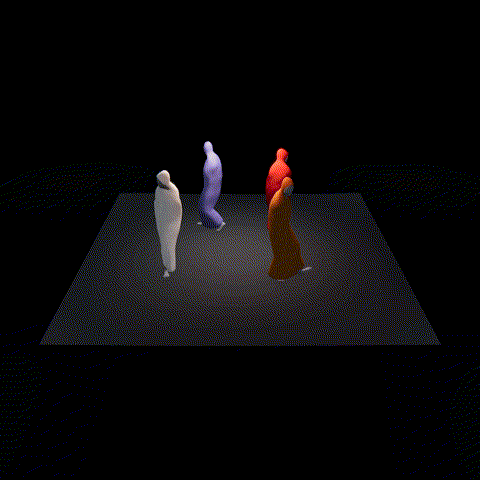
    During a 3D training course, I decided to adapt Samuel Beckett’s Quad into an exhausting algorithmic loop of walking personas.

  • Hybrid Strategies preview

    Hybrid Strategies

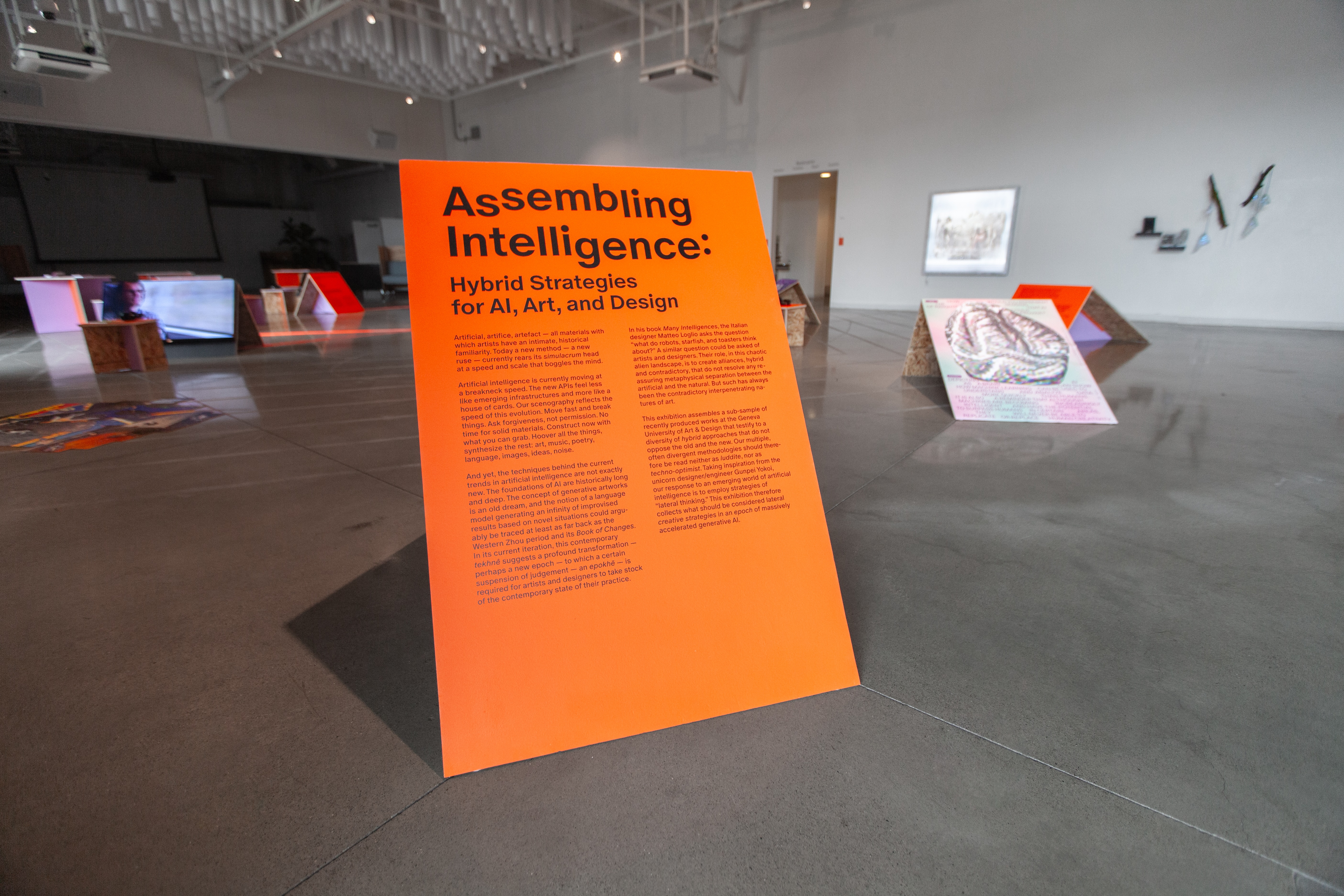
    Artificial, artifice, artefact — all materials with which artists have an intimate, historical familiarity. Today a new method — a new ruse — currently rears its simulacrum head at a speed and scale that boggles the mind. And yet, the techniques behind the current trends in artificial intelligence are not exactly new. The foundations of AI are historically long and deep. The concept of generative artworks is an old dream, and the notion of a language model generating an infinity of improvised results based on novel situations could arguably be traced at least as far back as the Western Zhou period and its Book of Changes. In its current iteration, this contemporary tekhnê suggests a profound transformation — perhaps a new epoch — to which a certain suspension of judgement — an epokhē — is required for artists and designers to take stock of the contemporary state of their practice.

  • Tempête preview

    Tempête

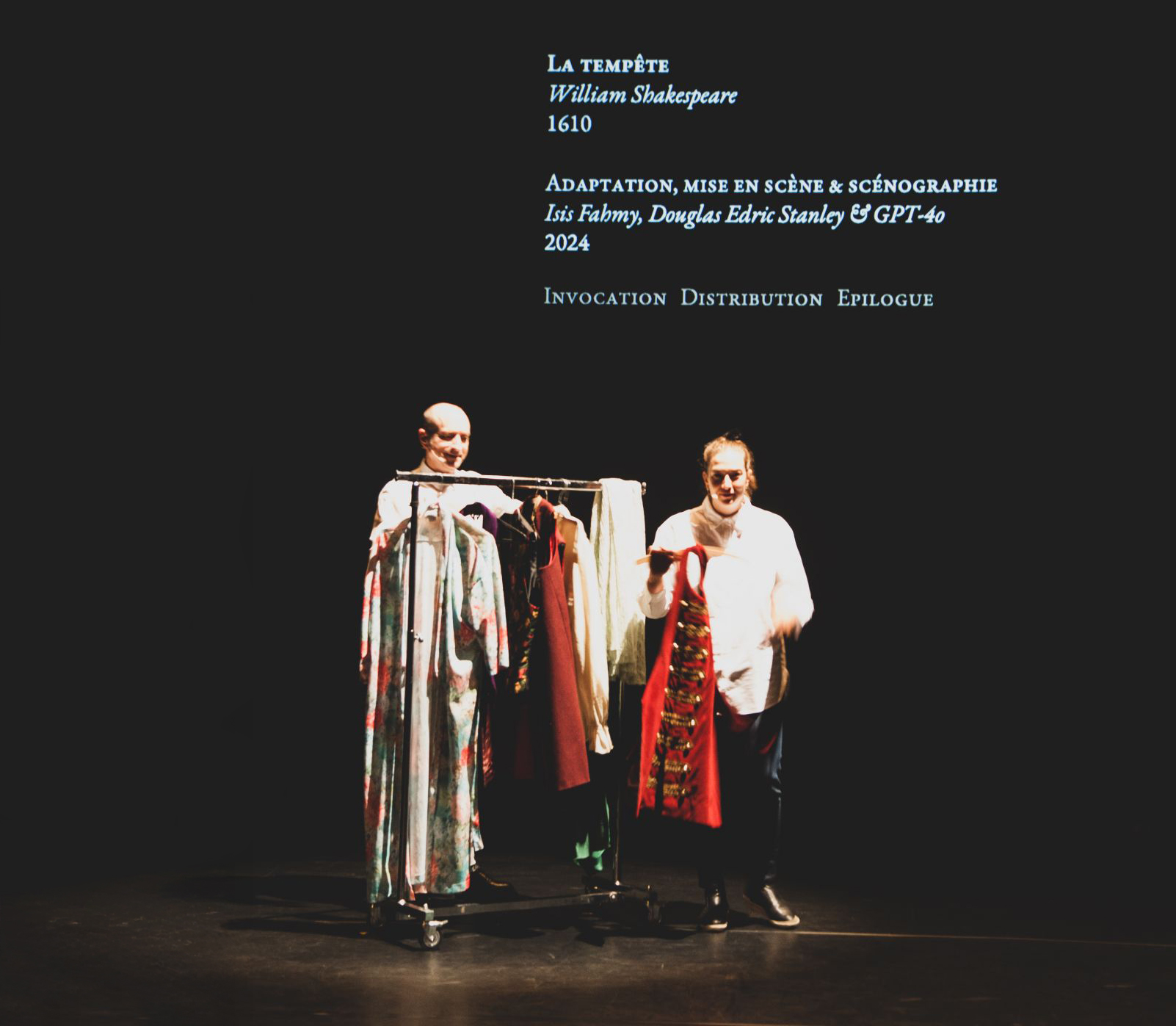
    In 2024, I collaborated with the drammaturge Isis Fahmy and various large language models to create an odd generative theatre performance in which Shakespeare’s The Tempest was re-written in real-time, in interaction with the audience via a series of playing cards we designed specifically for the performance.

  • Folding Worlds preview

    Folding Worlds

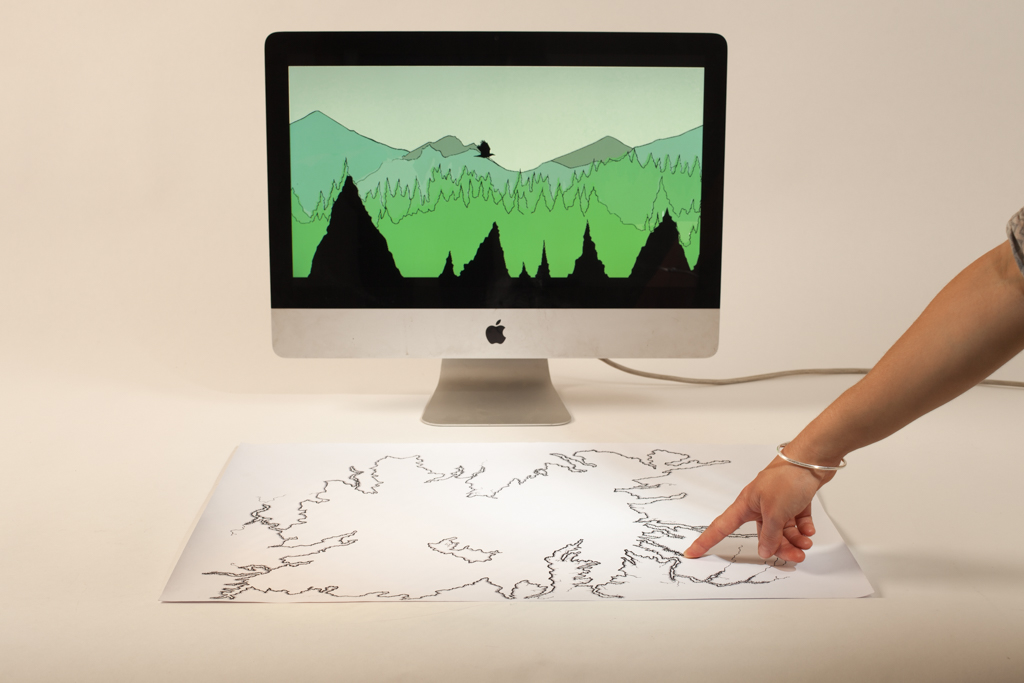
    For the past three years I have been leading a series of workshops around a concept we call “folding worlds”. Most of these experiences involve building virtual reality experiences using the Unity game engine and various VR headsets. A parallel group — run by Laurent Novac, Joana Huguenin, and (previously) Marie Dommenguet — has also been exploring these concepts via experiments with the Unreal game engine.
  • Drawing Futures preview

    Drawing Futures

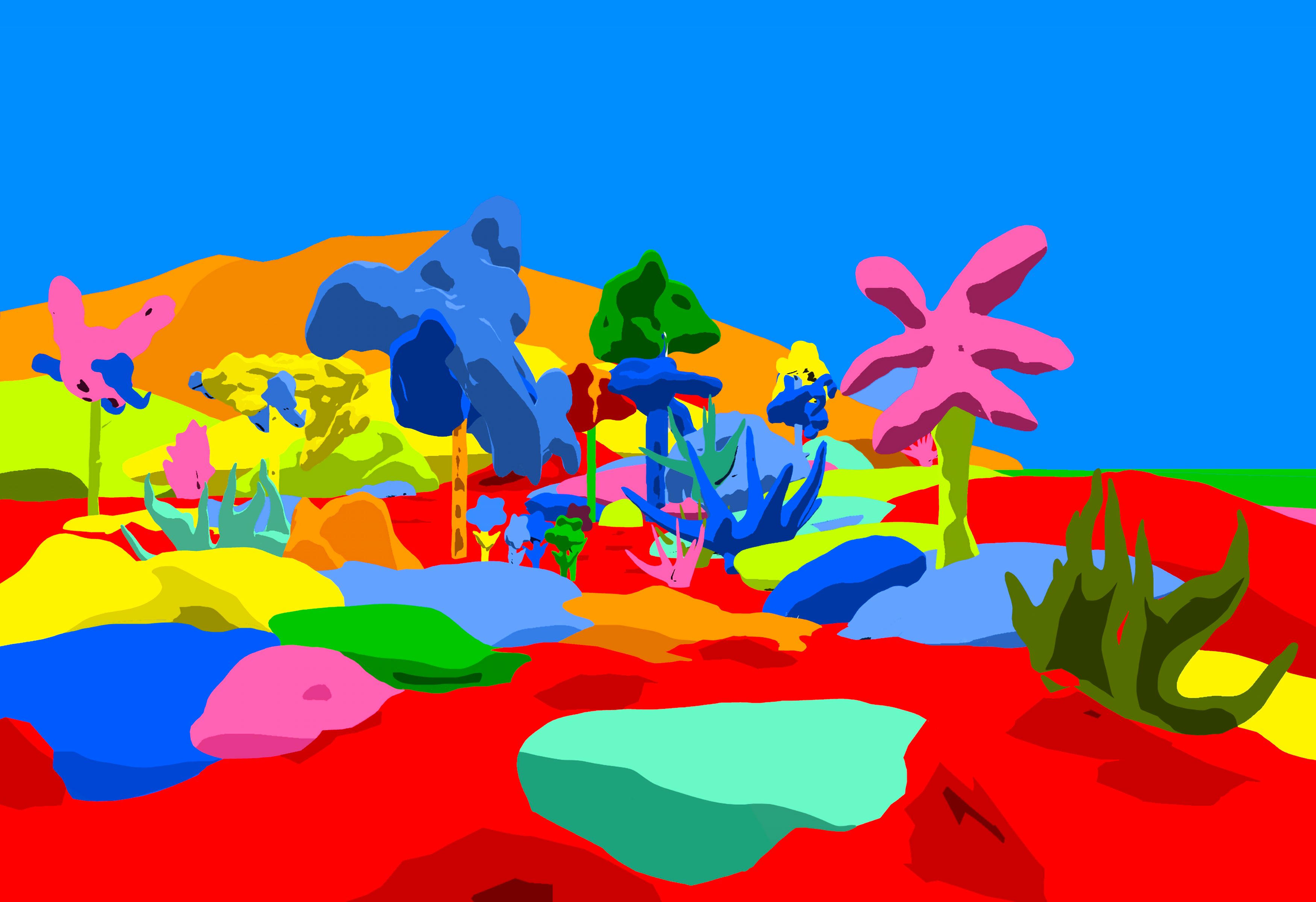
    Drawing Futures is an exhibition that merges traditional creative practices with emerging technologies, envisioning a future where creativity flourishes through hybrid solutions. It begins with color, to which we add movement, collaboration, music, and storytelling — resulting in a playful combination in which analog and digital forms joyfully collide.

  • Master Media Design preview

    Master Media Design

    I filled in for an afternoon to present the Media Design Master programme where I have been teaching for the past 15 years. I don't present the programme as well as the boss, but I think it went okay.

  • Playing with Stories that Matter preview

    Playing with Stories that Matter

    The symposium Playing with Stories that Matter aimed to delve into the ways in which narrative propels innovation in game design.

  • Within one body there are millions preview

    Within one body there are millions

    How can we re-appropriate and turn synthetic text-generation softwares into powerful tools for change and activism?

  • Soft Robotics preview

    Soft Robotics

    Soft Robotics wasz a semester project at the Master Media Design of HEAD – Genève, in collaboration with the PEPR Robotique organique (O2R) project + CNRS + INRIA

  • Distorsion Series — Talking To Robots preview

    Distorsion Series — Talking To Robots

    The subject of our annual online Distortion Series was 🤖 Talking to Robots 🤖 where we talked human+machine-interactions in the era of machine learning and automation.

  • Design & Machine Learning preview

    Design & Machine Learning

    In 2023 I designed and developped the website for the research project Design & Machine Learning, using then-cutting edge generative AI. Design & Machine Learning was a research project which examined the mutations of graphic design in contact with contemporary artificial intelligence.

  • Time In Time Out preview

    Time In Time Out

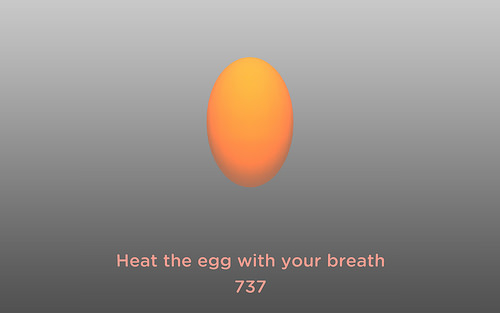
    What types of new gestures could we invent? How can we rethink our interactions with an object and with our body, using time as a game mechanism? How to transform time passing into a playable story?

  • Inside Inside preview

    Inside Inside

    Inside Inside is an interactive installation remixing video games and cinema. In between, a neural network creates associations from its artificial understanding of the two, generating a film in real-time from gameplay using images from the history of cinema.

  • #GenEndIt preview

    #GenEndIt

    This project was a collaboration with UNAIDS, Hivos East Africa, the Kenyan Network of Adolescents and Youth of Africa (NAYA) and #GenEndIt.

  • Stratifications preview

    Stratifications

    Stratifications was a hyrid class mixing painting and creative coding, created with the artist Jérémie Setton. In this class, we explored the generation of images through a process of sedimentation, or "stratifications", i.e. layering material progressively to generate an image. This on-line adaptation includes all the videos used to introduce students to the basic functions of programming with the environement P5.

  • Agents preview

    Agents

    In 2021, Alexia Mathieu asked me if we could design with the autonomous agents in video game engines. As per usual, the answer was “I don’t know, let's try.” So I built a class around training behaviors inside of the Unity game engine.

  • Soft Robots preview

    Soft Robots

    Soft Robots was a semester project at the Master Media Design, HEAD – Genève in collaboration with the EPFL Reconfigurable Robotics Lab and its director Jamie Paik. This project was conducted entirely remotely, as the world was in full pandemic mode, using only materials easily available at home: straws, tape, string, fabric, balloons, glue, et cætera.

  • Pocket Stories preview

    Pocket Stories

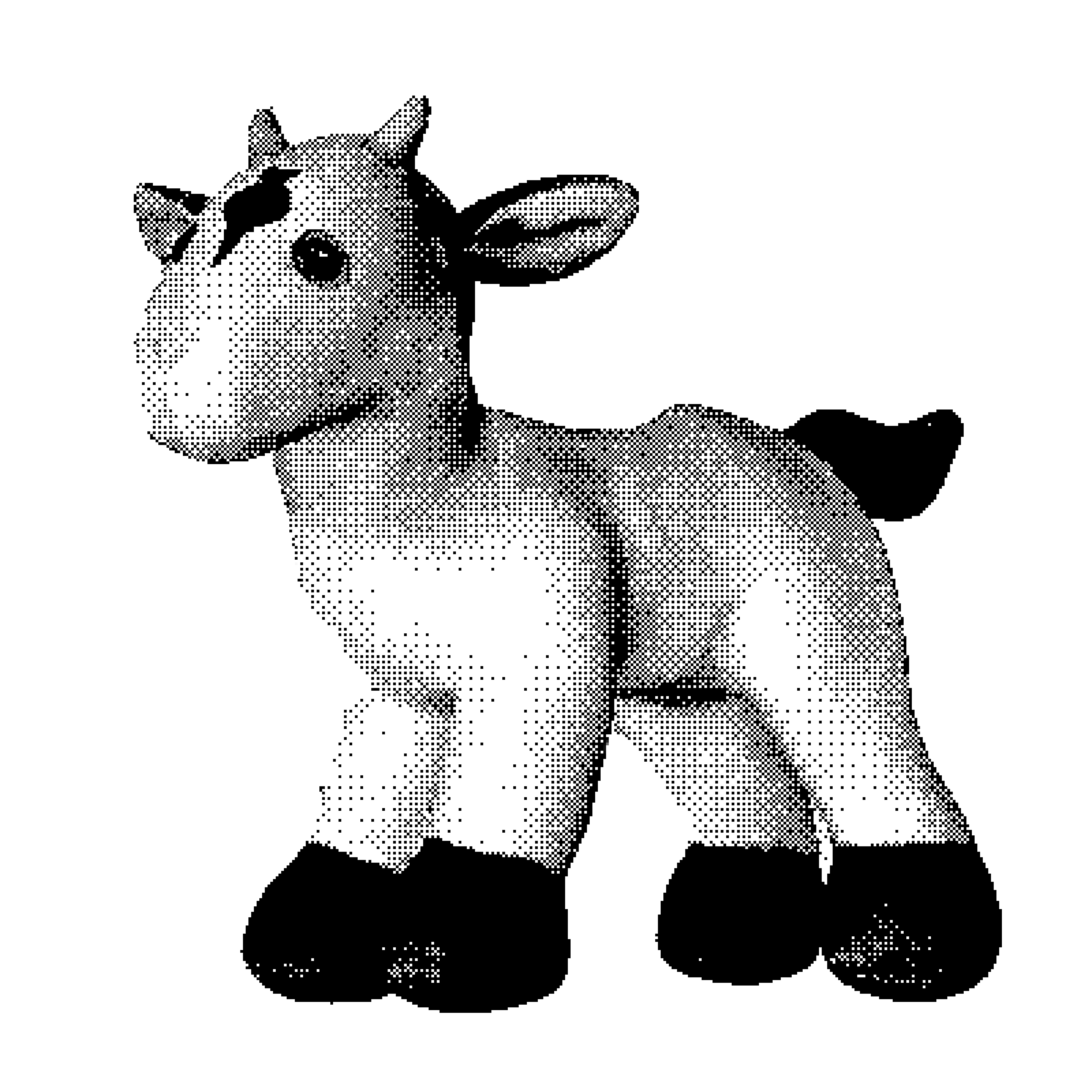
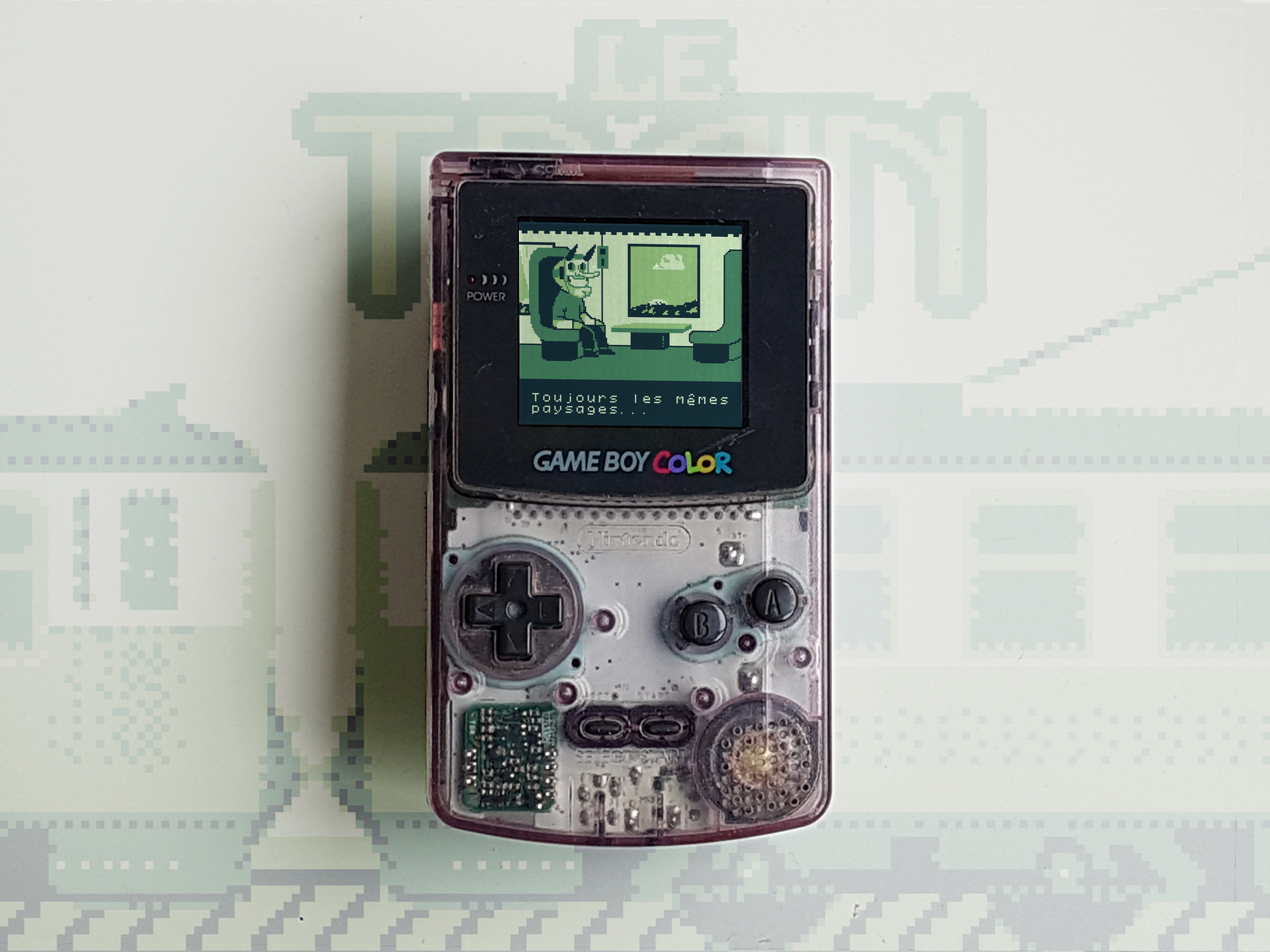
    Pocket Stories revisits retro-gaming platforms and transforms them into pocket theatres for micro-narratives. A trip back into tiny black and white screens in order to develop new forms of illustrated stories, where constraints open up new possibilities. This workshop used a method of innovative creation, based on the use of "crash cards" to accelerate the phase of ideation and transform the creation process in one long playable exercise. The result is a collection of micro-narratives exploring new forms of storytelling for the digital era.

  • Thinking Machines preview

    Thinking Machines

    Thinking Machines radically transforms designer workflows by revisiting the concept of “personal computers” in the age of neural networks.

  • Play Me A Story preview

    Play Me A Story

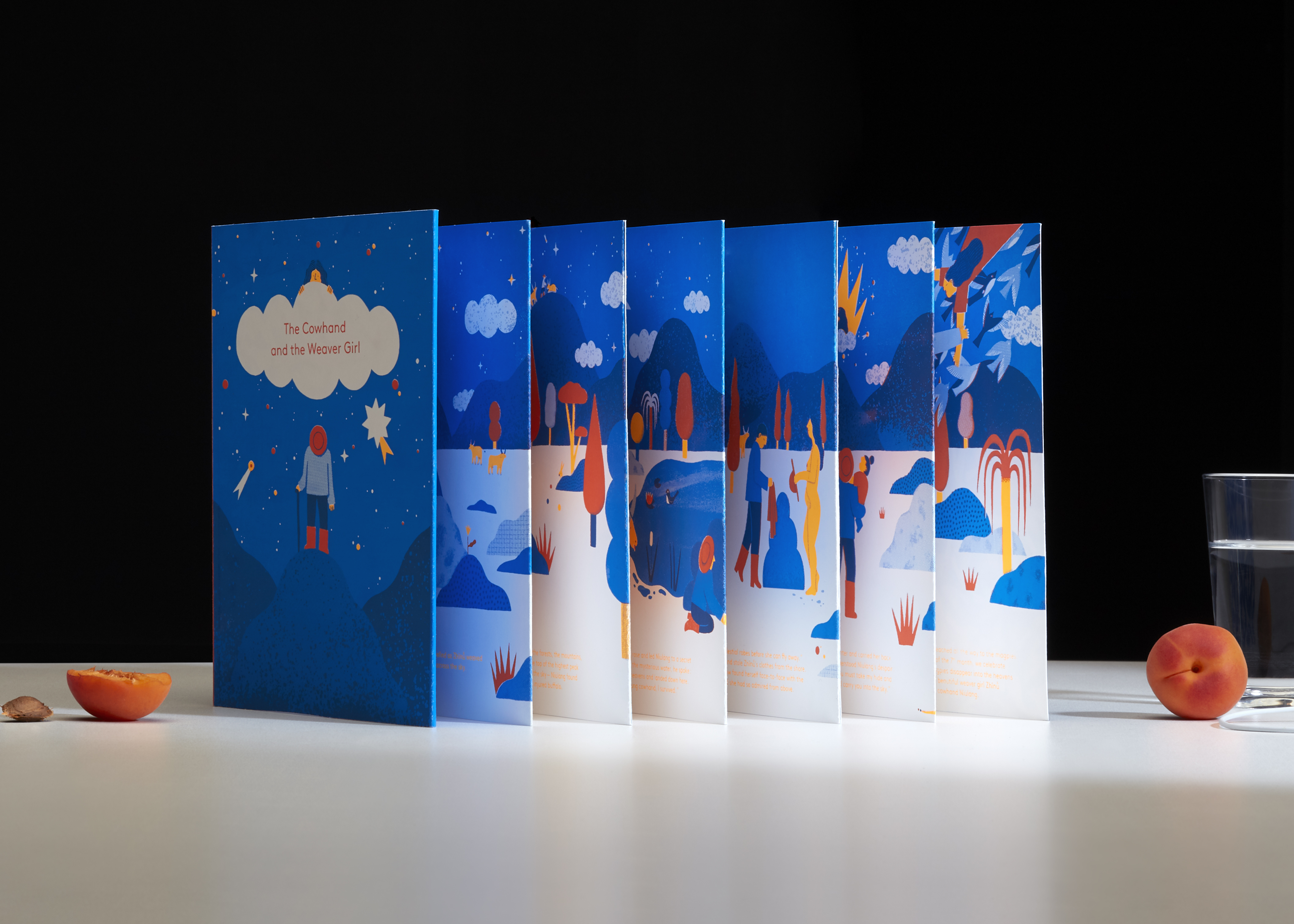
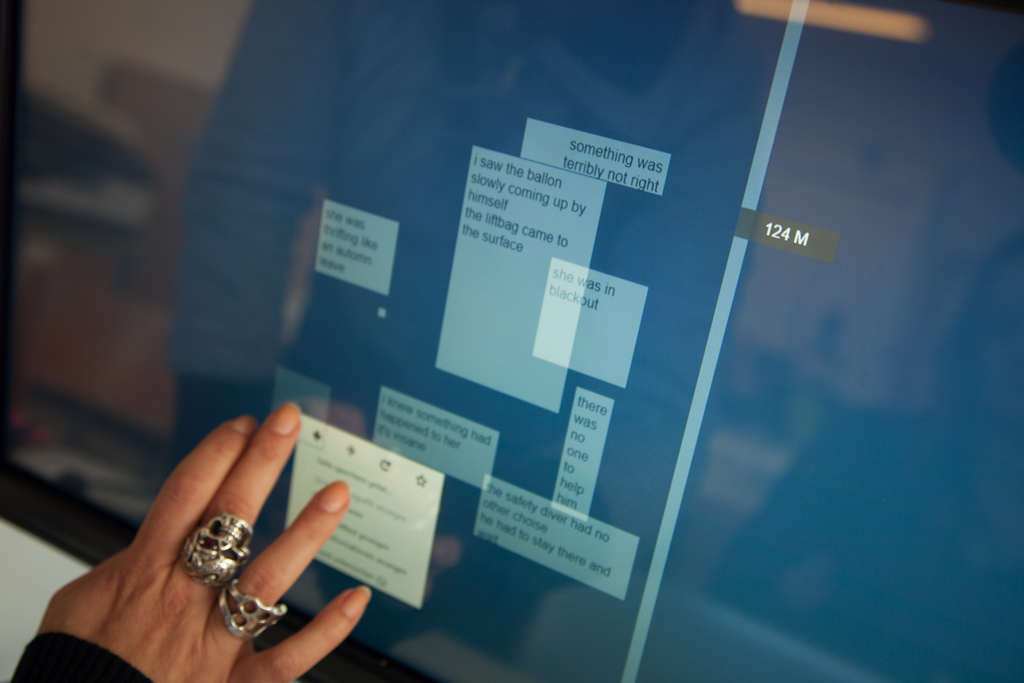
    While our objects, homes, devices and screens now speak to us, these gadgets often have very little to say. The public and private world is progressively converting our lived environment into a sea of spoken word potential, but its content seems more attuned to command and control utterances than to the history of poetic expression. For the past year, the Media Design Master of the HEAD – Genève has been exploring the narrative potential of objects, screens and gestures, when injected with the storytelling force of classical mythology, real-world testimonials, and literary narratives. Our experiments and developments often involve hybrid solutions, as we attempt to find new ways of re-injecting old narratives into new contexts. The principal ingredient for this method is play: playful interfaces, with players enacting stories through playable objects.

  • A Crossing Industry preview

    A Crossing Industry

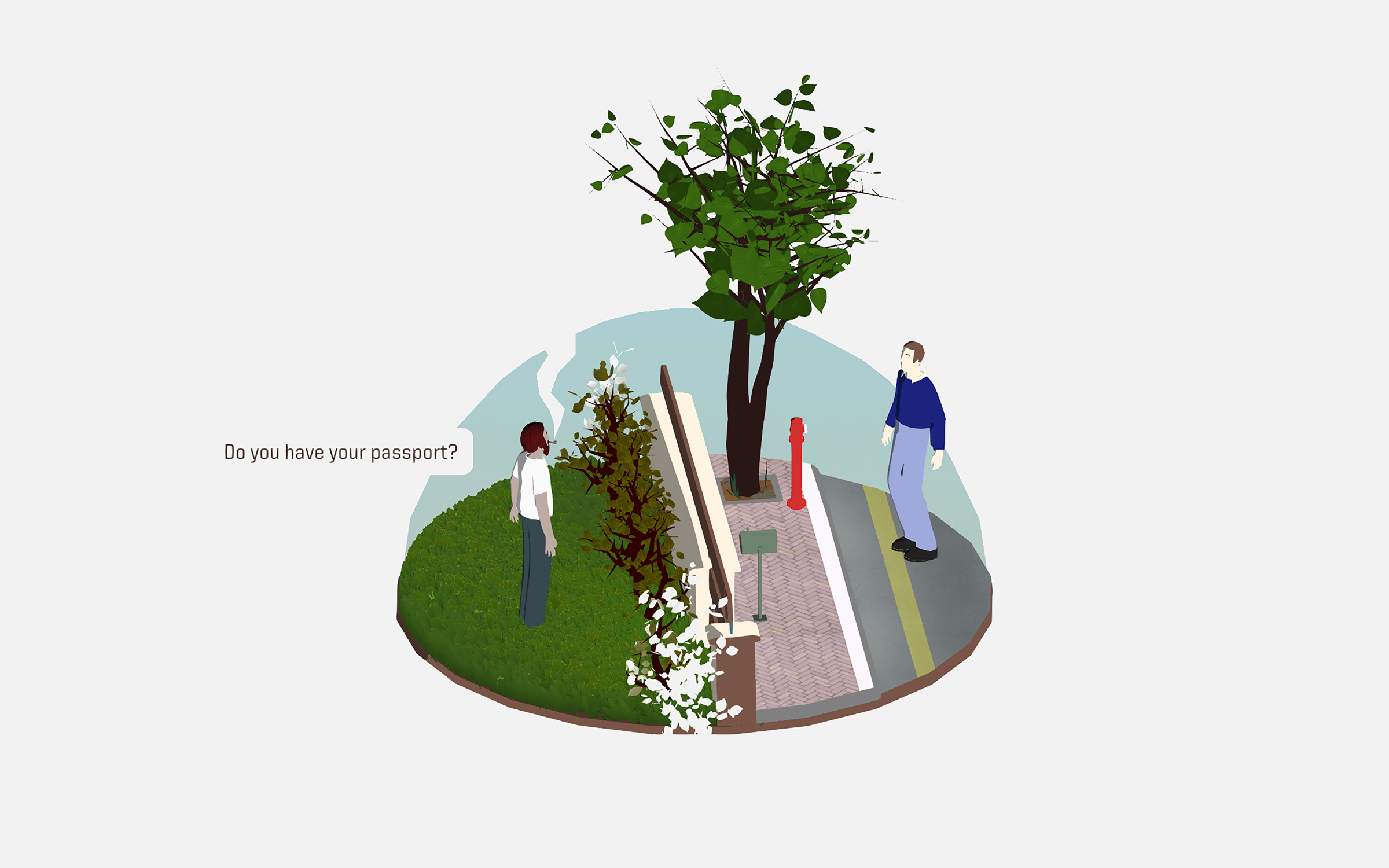
    A Crossing Industry is a video game exploring the economy of clandestine crossings in the occupied territories of Palestine. It is one component of a larger hybrid project mixing artistic creation, scientific research and interactive multimedia.

  • D|écrire le monde preview

    D|écrire le monde

    This transdisciplinary workshop used three formats of play (Card games, Interactive fiction, Paper theatre) to explore the scientific research of five specialists in various aspects of Arab and Muslim literature, culture, religion and politics.

  • Design Viral preview

    Design Viral

    In 2018, Caroline Bernard asked me to revisit some of my early encounters dating back to 2008 (!) with what would later coalesce into the memeosphere, Gamergate, and finally leading to the Trump army trolls, i.e. our new normal.

  • Retrocompatible Design preview

    Retrocompatible Design

    Every year students in the Media Design Master are thrown headfirst into the conception and development of interaction design. This is called the Boot Camp and is designed to teach the basics of programming visual and physical interactions with objects. This year, the Boot Camp was broken into two parts: A. learn Processing and build a tablet-based prototype with it, B. learn Arduino and build an installation where the physical realm would interact with the audiovisual realm.

  • The Book of ENIAROF preview

    The Book of ENIAROF

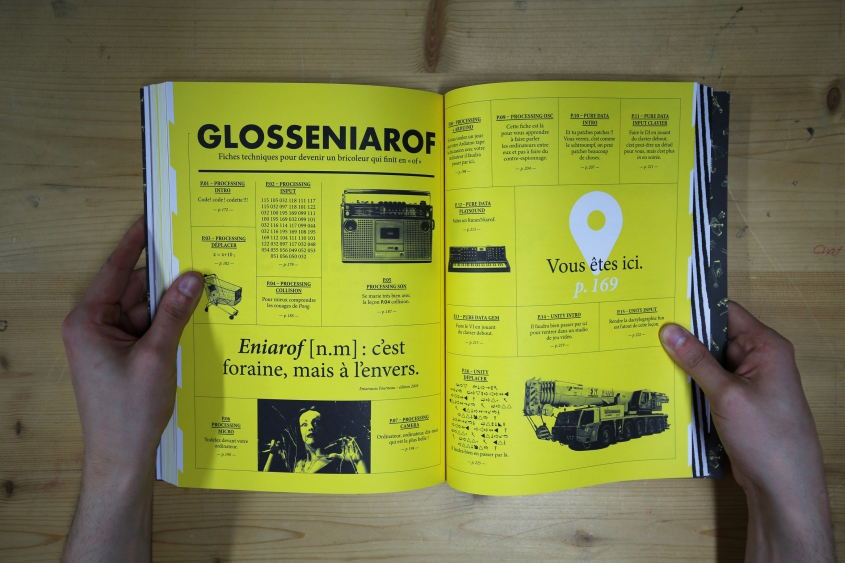
    ENIAROF est né sous l’impulsion d’Antonin Fourneau et de Douglas Edric Stanley en 2005. Le principe s’inspire de la fête foraine du début du XXe, à l’époque où les gens pouvaient découvrir des choses inattendues, parfois très innovantes comme l’apparition du cinéma ou encore monstrueuses avec les freak shows.

  • Salone Ludico preview

    Salone Ludico

    Our “Salone” invites visitors to discover twelve projects conceived as ludic antidotes to a world filled with screens. Designed distractions that coerce us into playful and shared forms of interaction. Everyone plays. Electronic. Analog. Social. Play is a form of connection. Social platforms feign connecting us, but in the end they just leave us in limbo. Inversely, play is superficial by design, while secretly inviting us into a deeper understanding of each other and of our own limits.

  • METAMORPHOSEON preview

    METAMORPHOSEON

    Metamorphoseon is the adaptation of an epic poem — Ovid's Metamorphoses — into the language of our day: interactivity. From poetry written for ancient tablets to gameplay designed for tablets of the electronic genus, Metamorphoen transforms the stories of classical gods, mortals, and monsters into playable mythology.

  • Recycle & Play preview

    Recycle & Play

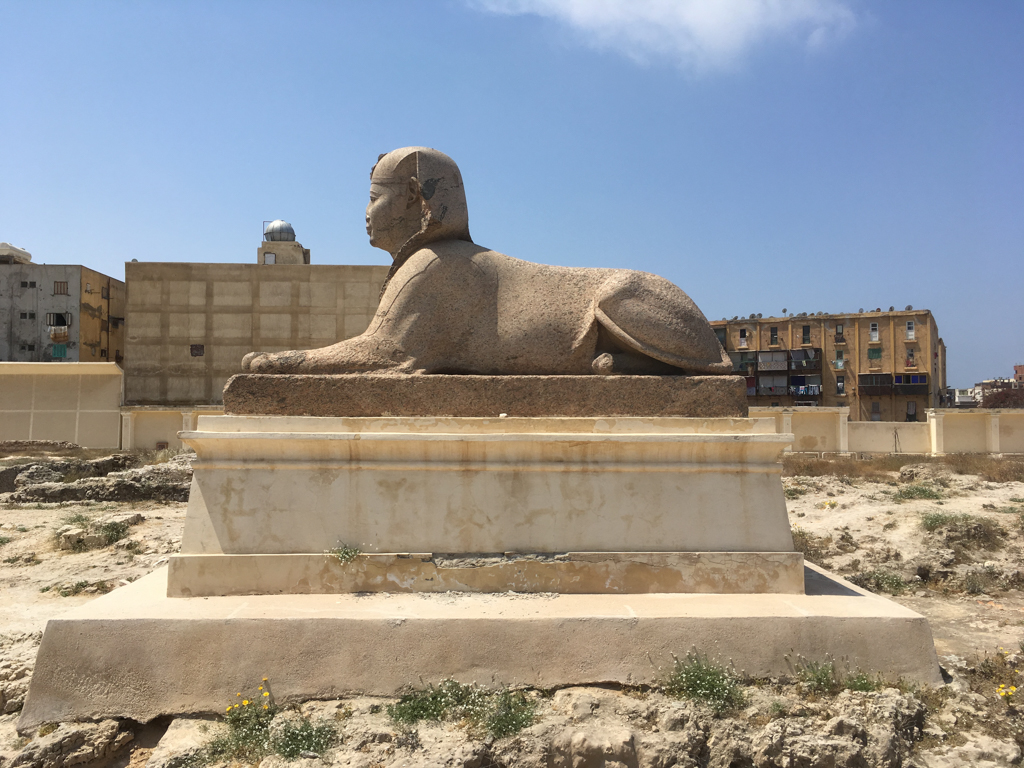
    Recycle & Play was a one week workshop organised by my friends and colleagues at the Alexandria University Faculty of Fine Arts. To write our stories we used a deck of crash cards I designed based on a wide swath of Egpytian historical figures, ancient gods, and mythological creatures.

  • Bodmer Lab preview

    Bodmer Lab

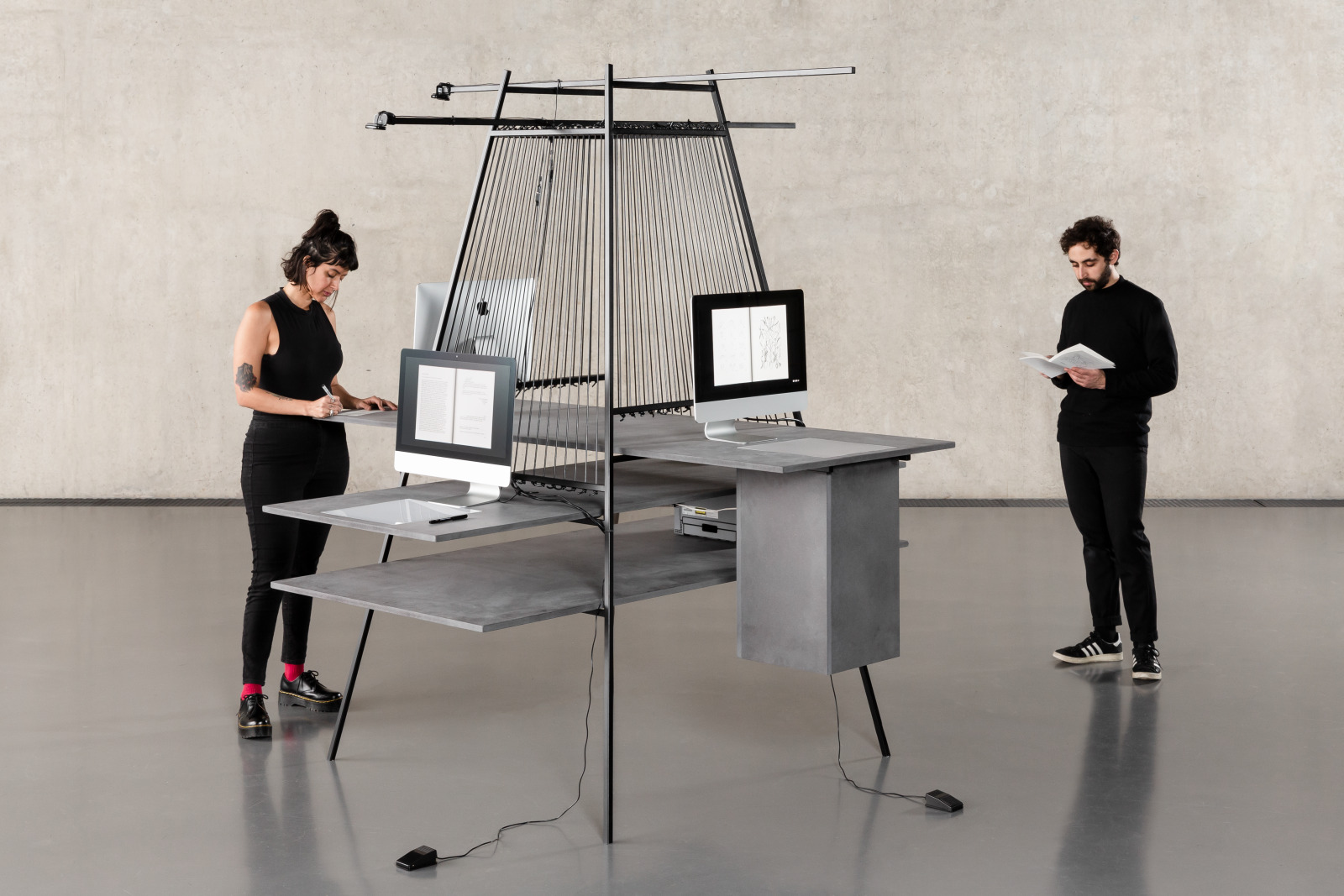
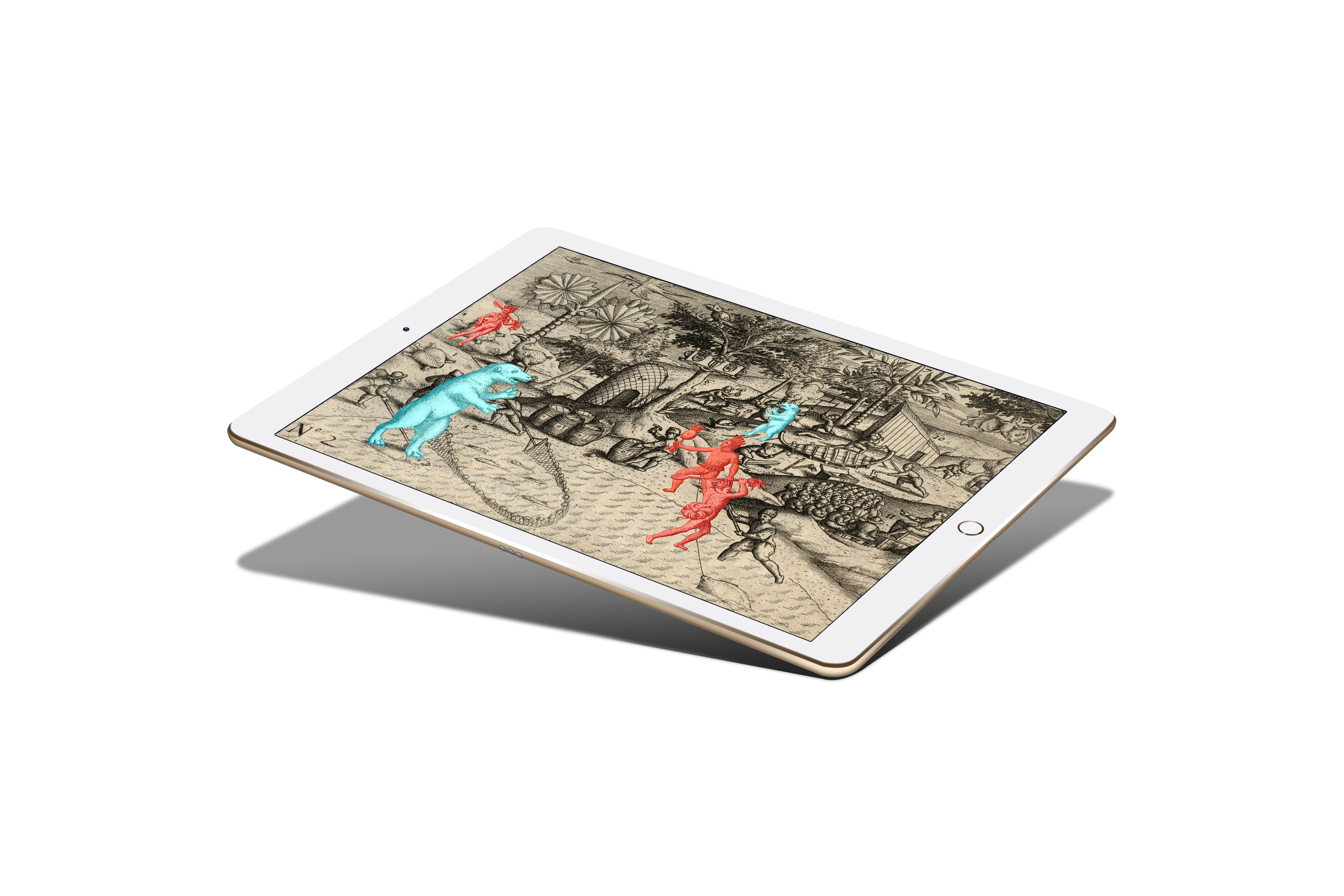
    This workshop took high-resolution scans of 14th-18th century publications in the Martin Bodmer collection, and invented new forms physical and digital interactions with their contents.

  • Jeux sérigraphiques preview

    Jeux sérigraphiques

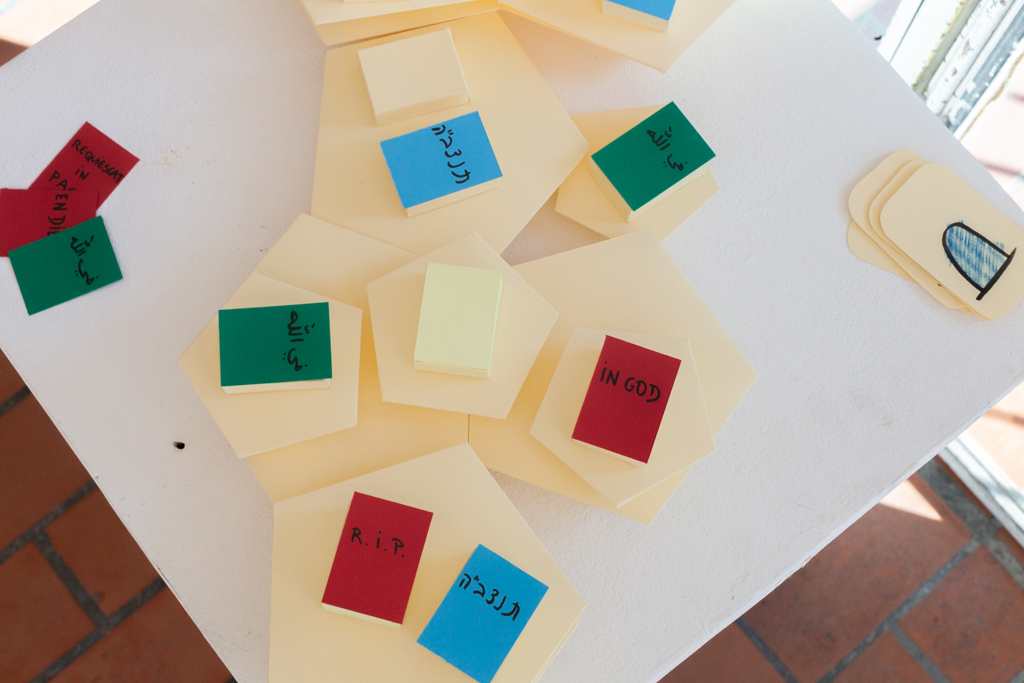
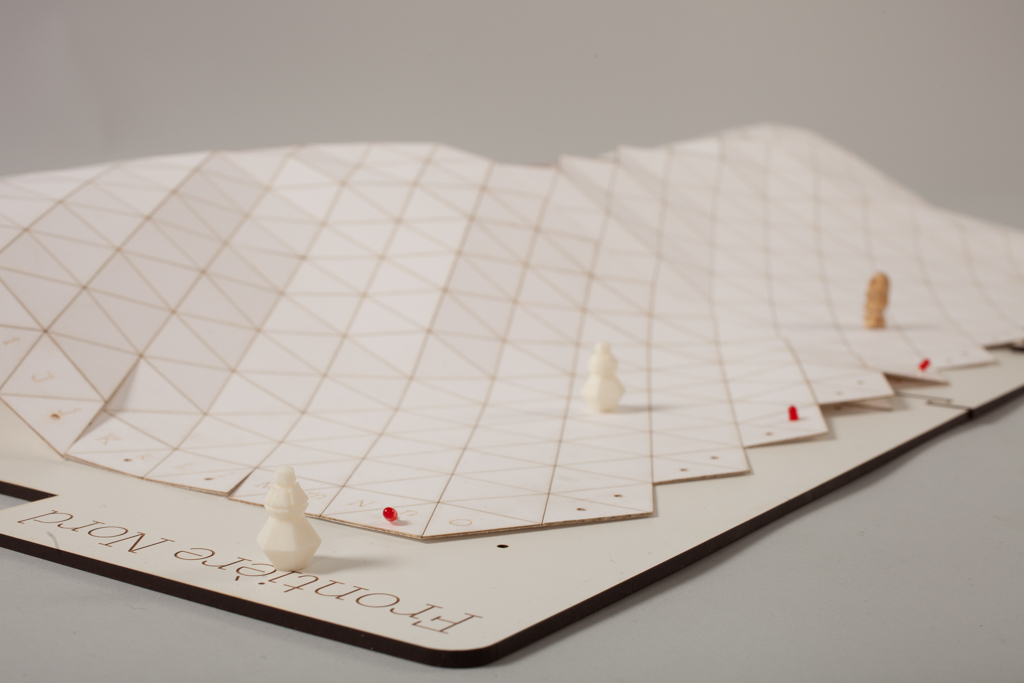
    Jeux sérigraphiques présente des jeux développés par les étudiants en 2ème année pendant un cours de six jours organisé conjointement par l’Atelier Sérigraphie et l’Atelier Hypermédia. L’objectif du cours était de mélanger divers techniques et matériaux (papier, encre, bois, métal, ordinateur, tablette, sérigraphie, découpe laser, programmation) pour créer des jeux dont les catégories ont été entièrement crées par les étudiants eux-mêmes : jeux de cartes, jeux de plateau, jeu de doigts, jeu de combat, jeux littéraires, ...

  • Frankenstein preview

    Frankenstein

    This year, our intensive introductory "Boot Camp" workshop was influenced by the bicentary of the Summerless Summer where Mary Shelley wrote Frankenstein.

  • automatic.ink preview

    automatic.ink

    Ce projet de recherche propose d’explorer les nouvelles formes d’écriture à l’ère des supports de lecture électroniques émergents, notamment des tablettes numériques, et la manière dont ces supports reposent la question d’une littérature algorithmique. Par « littérature algorithmique » nous entendons une littérature composée de formes et de contenus modulaires, capables de se réajuster en fonction de conditions internes ou externes, autrement dit des textes interactifs et génératifs. À partir de cette définition, notre sujet de recherche est double : 1/ définir les enjeux artistiques d’une telle littérature à partir de ses bases historiques 2/ explorer de nouvelles formes d’écriture adaptés aux spécificités de ces supports.

  • Retrocompatible Museum | Short Cuts preview

    Retrocompatible Museum | Short Cuts

    For the Short Cuts exhibition Antonin Fourneau & Douglas Edric Stanley curated a playful collection, linking early digital works by artists such as Karl Gerstner, using toys, tablets, and gadgets such as Lite-Brite, Gameboys, and magnetics tablets.

  • En attendant Godot preview

    En attendant Godot

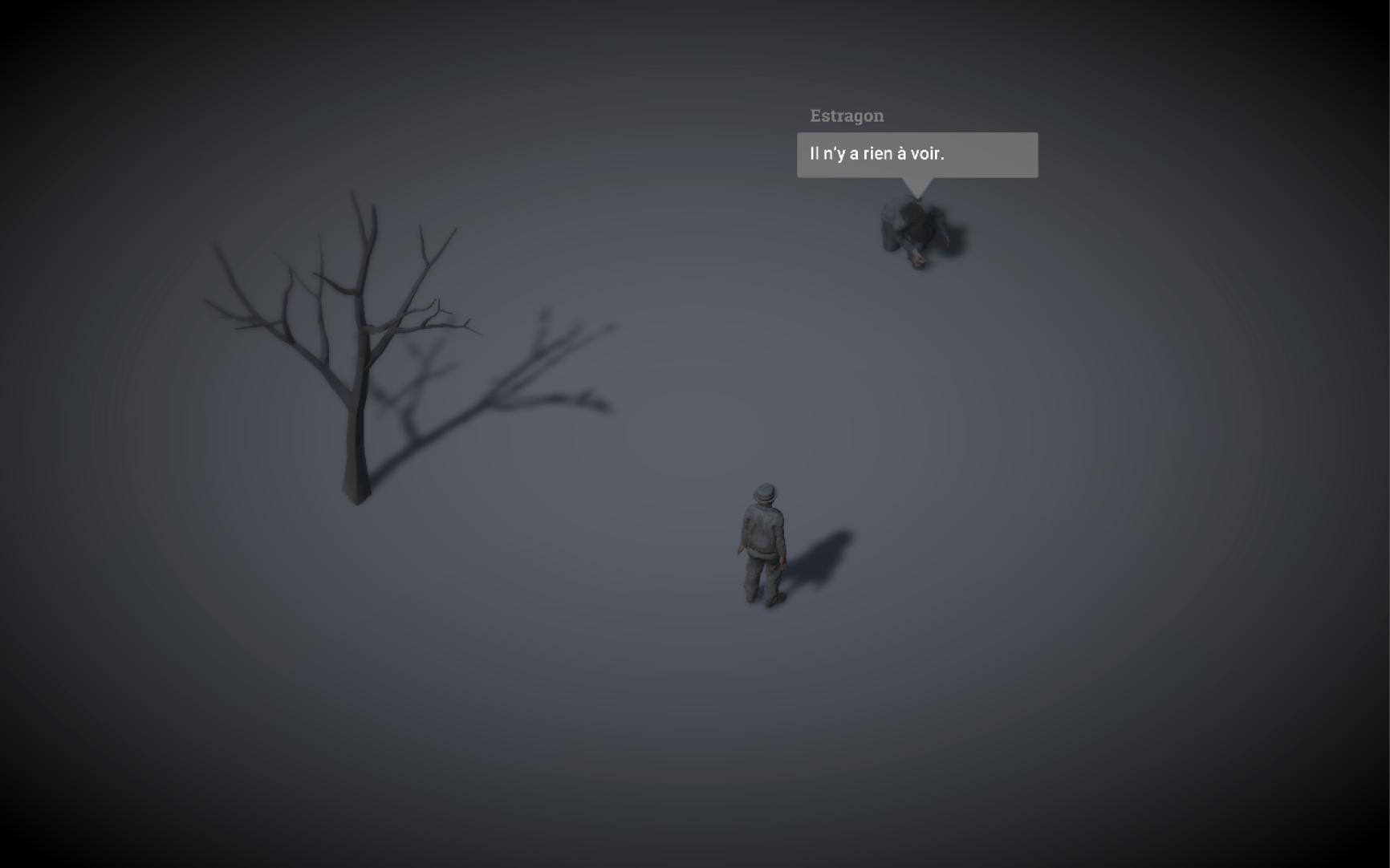
    Installation: En attendant Godot Author: Samuel Beckett Adaptation, Development: Douglas Edric Stanley Game Engine: Unity 3D

  • Jeu et sérigraphie preview

    Jeu et sérigraphie

    Jeux sérigraphiques présente des jeux développés par les étudiants en 2ème année pendant un cours de six jours organisé conjointement par l’Atelier Sérigraphie et l’Atelier Hypermédia. L’objectif du cours était de mélanger divers techniques et matériaux (papier, encre, bois, métal, ordinateur, tablette, sérigraphie, découpe laser, programmation) pour créer des jeux dont les catégories ont été entièrement crées par les étudiants eux-mêmes : jeux de cartes, jeux de plateau, jeu de doigts, jeu de combat, jeux littéraires, …

  • ENIAROF CAFA preview

    ENIAROF CAFA

    Yet another ENIAROF workshop and exhibition, this time at the Central Academy of Fine Arts, Beijing.

  • Snail Run preview

    Snail Run

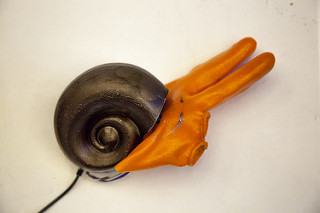
    Snail Run is a game + game controller designed by Li Hui Hui, Ou Yang and Hou Zhen Long during the ENIAROF workshop at the Central Academy of Fine Arts, Beijing. The workshop was organised by Antonin Fourneau, Douglas Edric Stanley and Cheng-Liang Wang with assistance from Linekernel and Robin Moretti. It was financed by France-China 50, in celebration of 50 years of diplomatic relations between the two countries; The Central Academy of Fine Arts; and The Aix-en-Provence School of Arts.

  • Écritures preview

    Écritures

    A workshop with artists exploring the creation of new systems for writing and reading, adapted specifically to their content.

  • Édition série preview

    Édition série

    Édition série proposed looking at designed interactions as a mashup between traditional publishing and electronic objects. If you could invent a new form of reading, for example, how would you design both the object and the content as a series, to be published chapter by chapter, episode by episode? How could this design inflect the content, and in turn create new forms of interactions with narrative, but also environment, habitat, sociability, subjectivity?

  • The Card Players preview

    The Card Players

    Over the past few months, in preparation for our Book of Eniarof crowdfunding campaign, we have been exploring the use of playing cards as a method for designing and developing games, concepts, attractions, and playful art objects of various ilk.

  • Graphisme Algorithmique preview

    Graphisme Algorithmique

    This collaboration with Anette Lenz explored the generation of graphical forms through code. We used as our primary tool, the art/design coding platform Processing.

  • Reading a Wave preview

    Reading a Wave

    This text was published by Éditions du 22,48 m² on the occasion of the exhibition Dérives by Émilie Brout & Maxime Marion at Galerie 22,48 m².

  • Game Gazer preview

    Game Gazer

    The Game Gazer exhibition showed off games, playful installations and applications at Swissnex San Francisco during the Game Developers Conference 2013. The show was organized by Swissnex San Francisco, in partnership with the Masters in Media Design at Geneva University of Art and Design (HEAD – Genève), the UCLA Game Lab and the Game Design department of the Zurich University of the Arts (ZHdK).

  • UCLA Gamelab preview

    UCLA Gamelab

    On April 1-3, 2013, The UCLA Game Lab collaborated with the Swiss Cultural Institute Swissnex in a workshop that combined UCLA students with eight students from Geneva and two of their gaming professors.

  • Artifactual Playground preview

    Artifactual Playground

    This is an essay on the artifactual residue that nourishes video game æsthetics.

  • The IOC And Me preview

    The IOC And Me

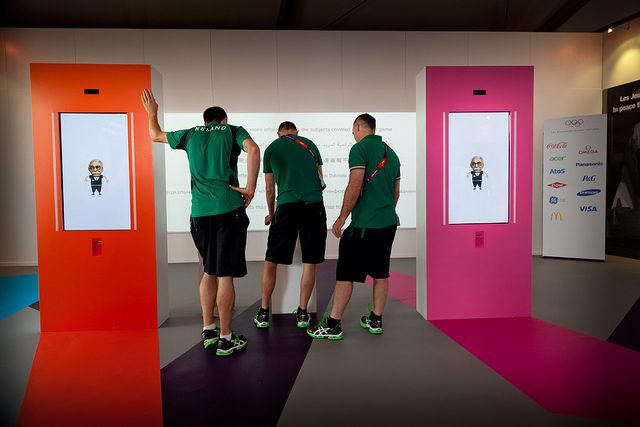
    For the Summer Olympics of 2012, Nicholas Haagensen and I designed this interactive installation within a larger scenography by Trivial Mass for the International Olympic Committee. The brief was to present the International Olympic Committee activities to athletes, volunteers, press and support staff. These activities range from development, to anti-doping and corruption, tolerance and diversity training, promotion of the Olympic Museum, and so on. Our goal was to greet these different groups and show them through an interactive wall how they play a role in the larger framework of the IOC.

  • Swiss Game Lounge preview

    Swiss Game Lounge

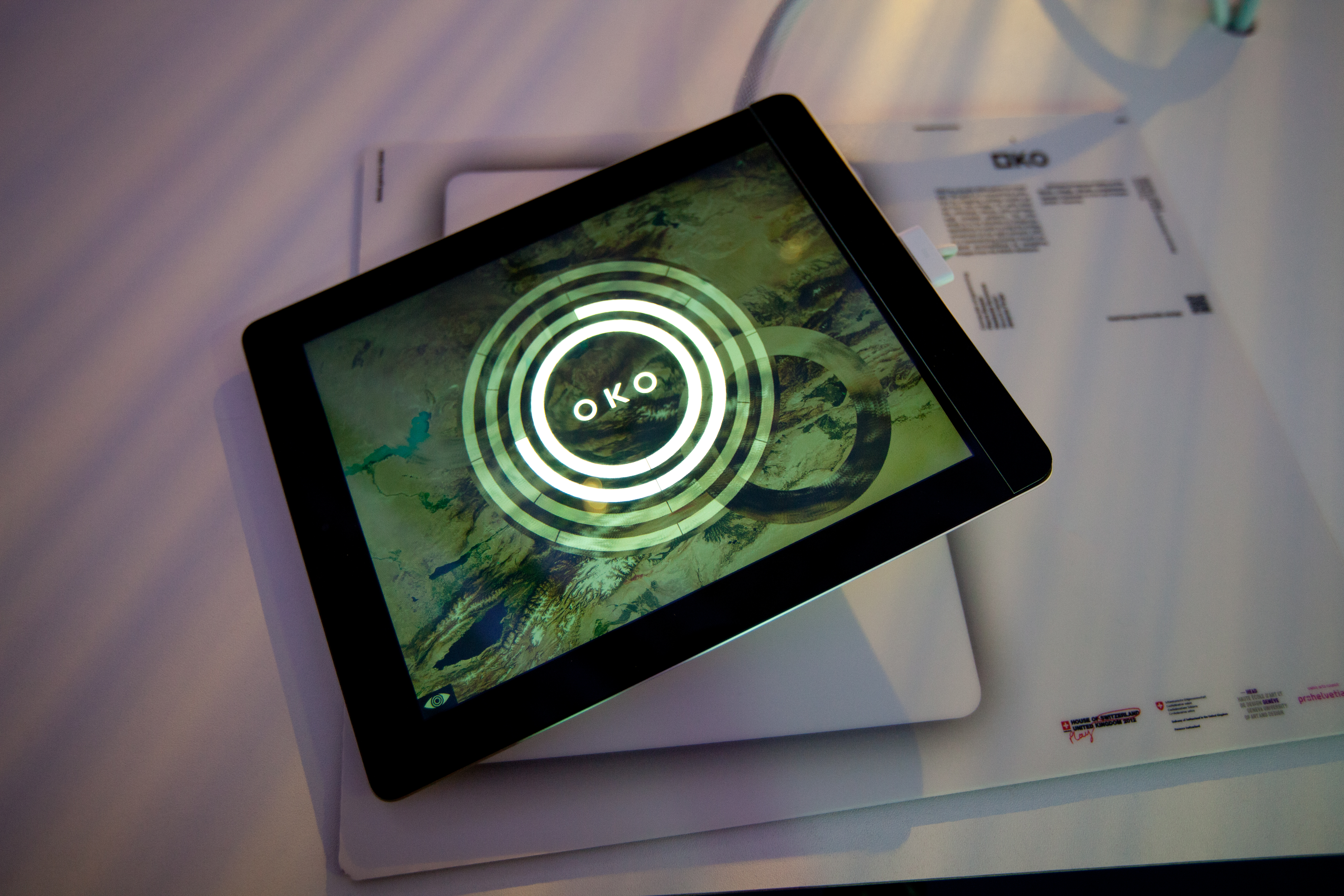
    From 2011-2012, Daniel Sciboz, Annelore Schneider and I worked with the students of Media Design on the Swiss Game Lounge, a collection of what we considered the most interesting game design coming out of Switzerland. The exhibit was integrated into the House of Switzerland for the London 2012 Olympics While Annelore and Daniel concentrated on the curation, Annelore and I worked with several Media Design students on developing games for the Game Lounge, three of which were selected for the exhibition: Oko, Fox Keedz, and Magnetics II; for more on that process, cf. Ünterplay.

  • Exhausting gameplay preview

    Exhausting gameplay

    A significant percentage of video games employ in one way or another the figure of death. The thanatological sub-species of video game representations are practically endless: dismemberment, infection, untreatable wounds, explosion, etc. Players can be eaten, crushed, sliced, diced, quartered, electrocuted, impaled, and so on. Many of these representations are more or less approximate: in Doom, for example, a player's state of "health" is represented by an abstract percentage value where players do not die of any specific organ failure, but instead from some sort of provoked exhaustion. In role playing games, players kill their opponents in a similar manner, i.e. by reducing this all-encompassing numerical value of their enemies to zero. In other games, players simply keel over, or disappear in a puff of smoke when touched, as in Pacman. In Super Mario Bros. players can just run out of time. Death in gaming is more a question of symbol than of substance. While we are still in the realm of simulation, the simulation is so figurative as pull us into an wholly other realm of representation. In his 1972 article on transcendence, gaming and "computer bums", Stewart Brand used the term "symbolic" to describe the flickering figurations of death slowly taking over university computer science research consoles: Fanatic Life and Symbolic Death Among the Computer Bums.

  • Wrist Watch preview

    Wrist Watch

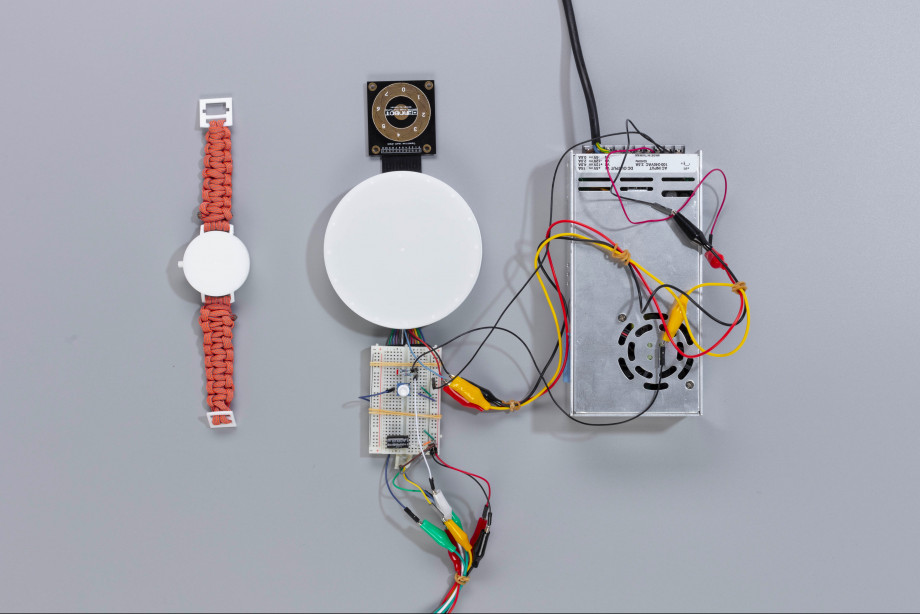
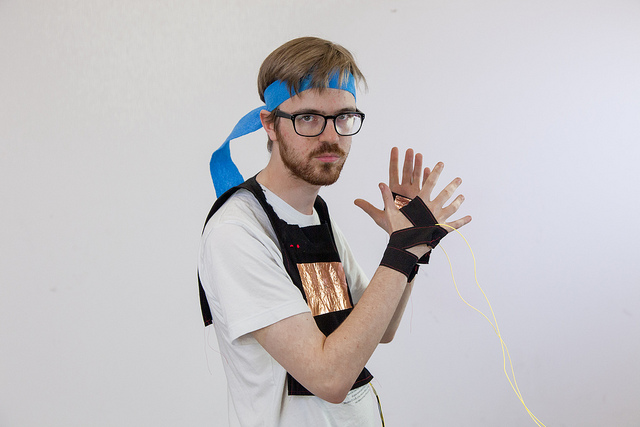
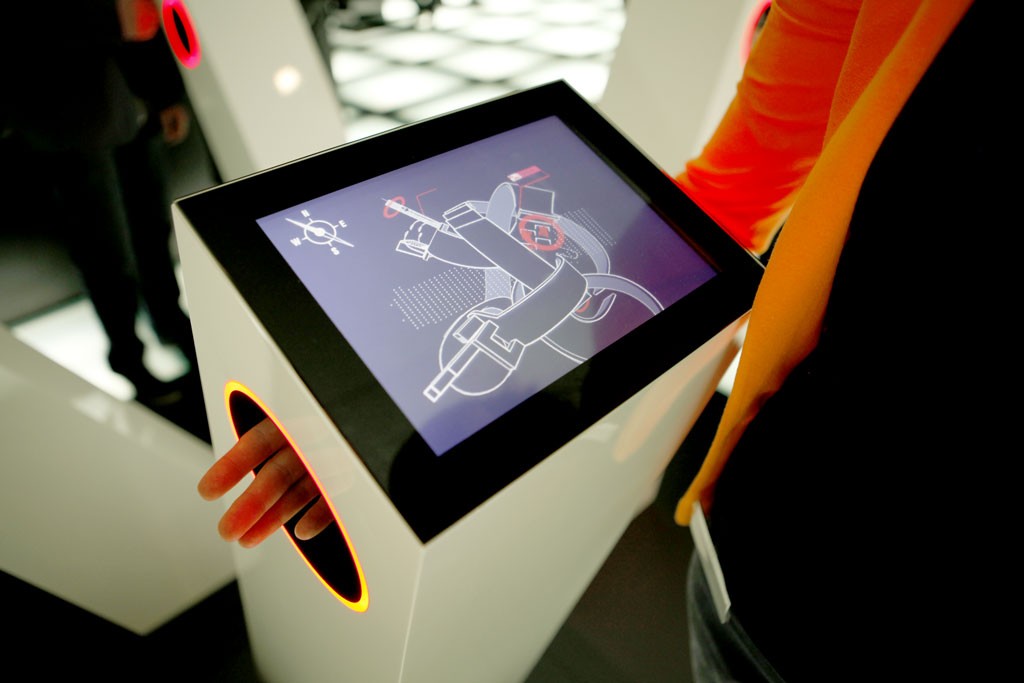
    > For its exhibition at Baselworld 2012, Tissot SA, leader in watchmaking touch technology, entrusted HEAD - Geneva with the creation of four interactive kiosks in line with the innovation that characterizes the brand. A visual, interactive, and sensory experience, Wrist Watch is the result of a mandate given by Tissot SA to the two master's programs in design at HEAD - Geneva. This project was carried out in close collaboration with the Lausanne agency Trivial Mass Production.

  • Graphisme génératif preview

    Graphisme génératif

    A few weeks back I taught a workshop on generative graphics as part of a cross-disciplinary « semaine de tous les possibles » (week of possibilities) at the Geneva University of Art and Design. The workshop combined students from the Master Media Design and undergraduate students from Visual Communication. We worked mostly in the realm of print, introducing code into traditional book design and/or poster design. For example, the books were generated directly in Processing using the PDF Export library to generate multi-page booklets.

  • TimeHue preview

    TimeHue

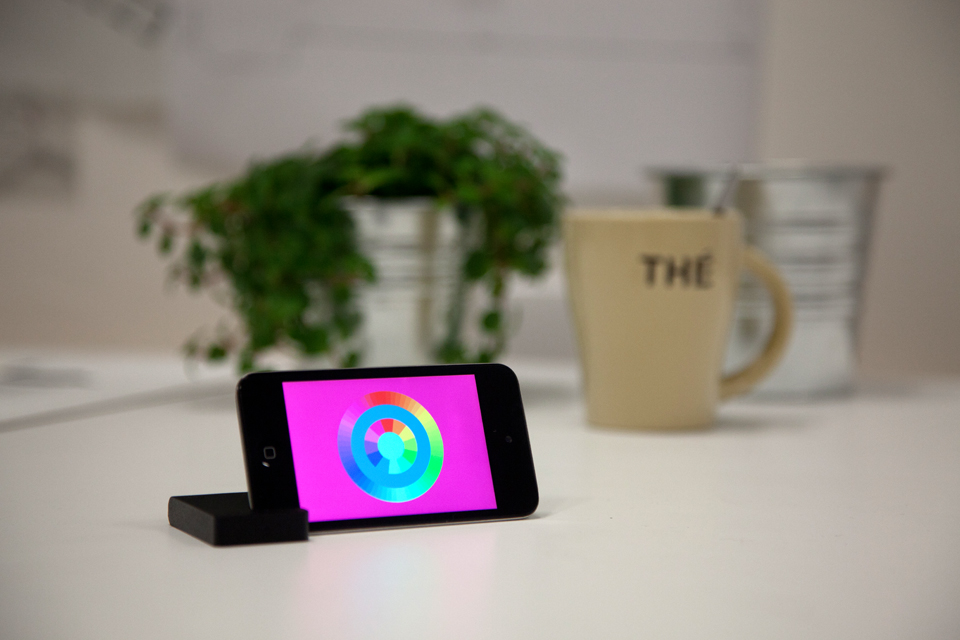
    TimeHue is a clock that represents time as a series of hue values ranging from 0° to 360° within in the HSL color space. It is also a protocol for colorizing time in space.

  • Photo\Nykto preview

    Photo\Nykto

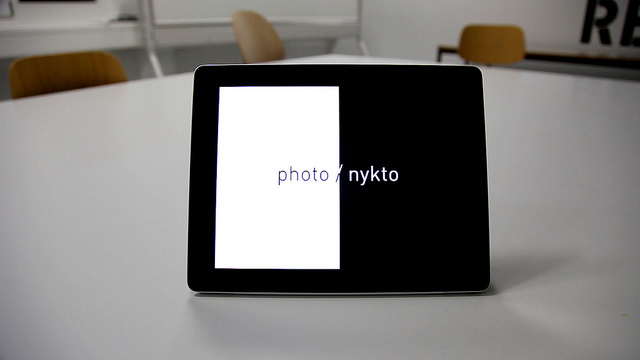
    « Photo/Nykto » is an experimental game conceived by Annelore Schneider and Douglas Edric Stanley as part of the « Unterplay » project at the Master Media Design —HEAD, Genève. It is a game for nyktophobes and photophobes. It is played by switching on and off the lights in order to avoid reaching the edge of the screen. The score increases exponentially near the edges, and speeds up with each change from light to dark and back.

  • CityMedia preview

    CityMedia

    The CityMedia system is an open platform for the exploration of public screens and new forms of collective interaction. It uses multi-touch sensors, 3*d body tracking, webcams and internet connectivity to connect people, data, media and objects. CityMedia systems can connect to other CityMedia systems, with the first two exhibited simultaneously in Aix-en-Provence and Marseille during the month of April 2011. The CityMedia Project was exhibited at the Bâtiment d'art contemporain as part of the Mapping Festival in Geneva, Switzerland in May 2011.

  • Trax preview

    Trax

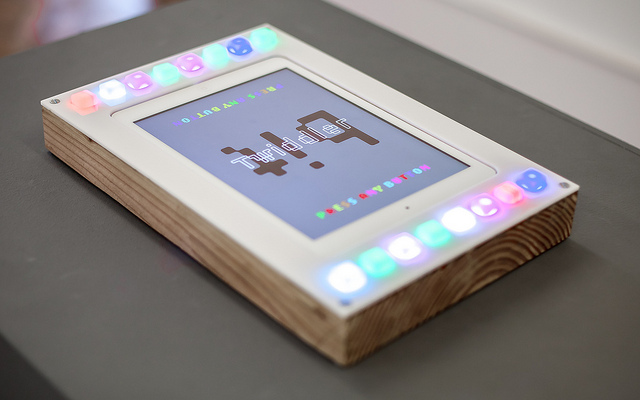
    Traks is a combinatorial sound toy. Mixing model railroads and 1960's minimalist composition, Traks allows players to build up circular networks of bifurcating rails that branch out into both simple and complex combinations of musical possibility. By placing notes, “tranes”, and semaphores into this ludic rail yard, a modular melody emerges, otherwise known as algorithmic music.

  • Museogames preview

    Museogames

    I was invited by the very respectible Poptronics to participate in this exhibition. For the « interviews » section of the exhibition, I was asked to revisit the ugly Invaders! brouhaha, as well as to opine on the age-old debate yawn! on the relationship between art + gaming. I am also in pretty cool company; folks like Nicolas Nova, Invader, Isabelle Arvers, Frédérick Raynal, etc.

  • Scolu preview

    Scolu

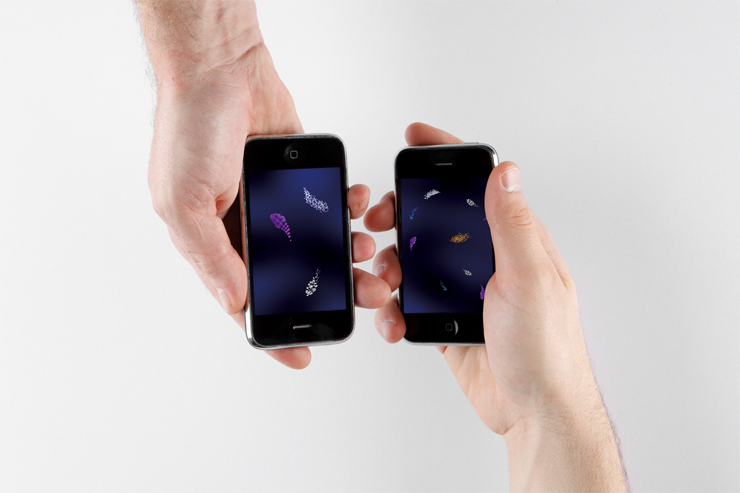
    In Scolu one discovers a virtual and interactive aquarium – also a multi-touch interface – inhabited by aquatic creatures created by Leïla Jaquet in collaboration with Stanislas Bernatt. By placing their iPhone on the interface, visitors see the behaviour of the creatures alter: when one of these creatures enters an iPhone, the visitor can take it with them and then give or exchange it. The experience is therefore intended to continue and to spread beyond the walls of the exhibition.

  • Horse Simulator preview

    Horse Simulator

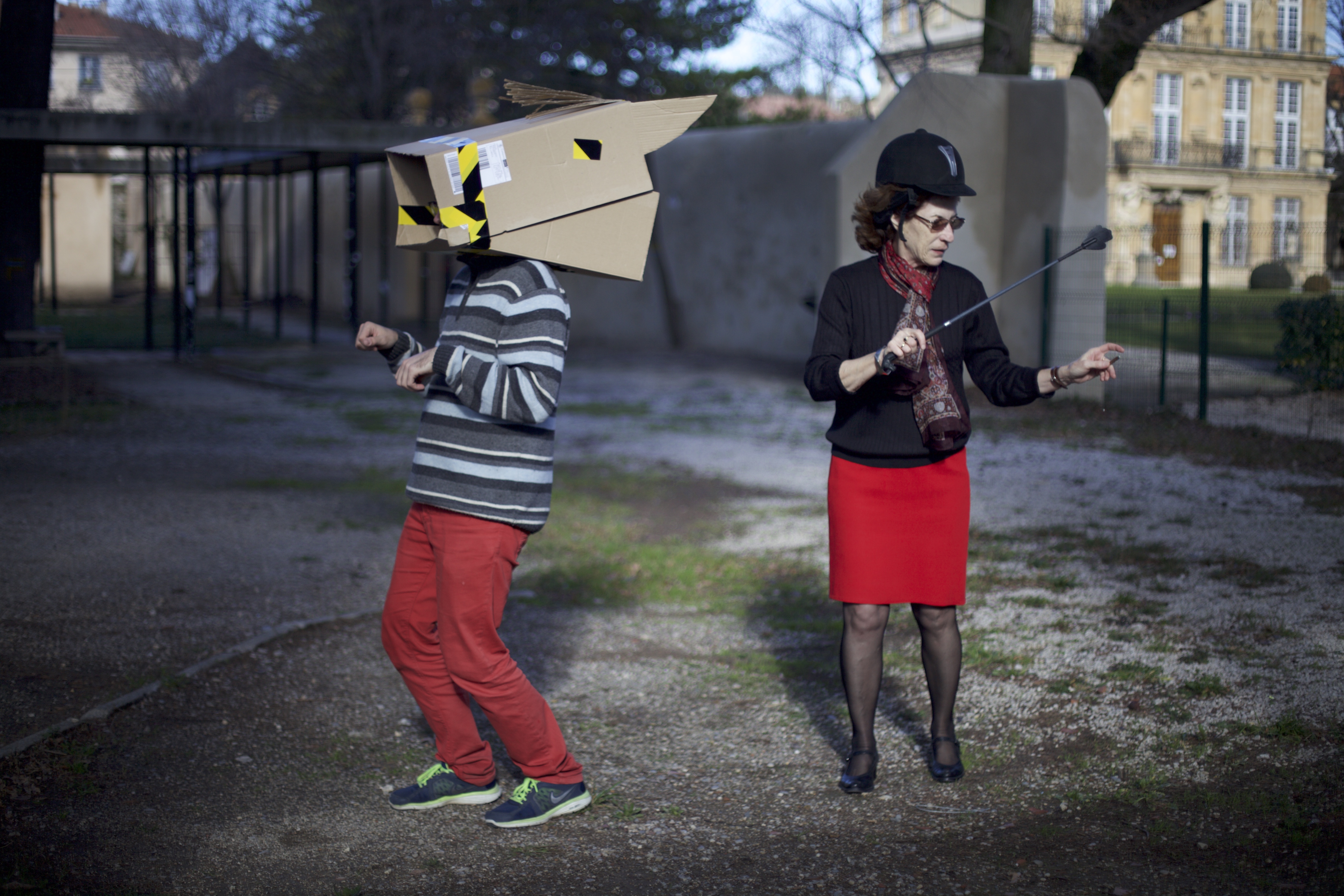
    Henniraof is an attraction created for the Eniarof Festival v0.4. It transforms movement into horse sounds.

  • Invaders! preview

    Invaders!

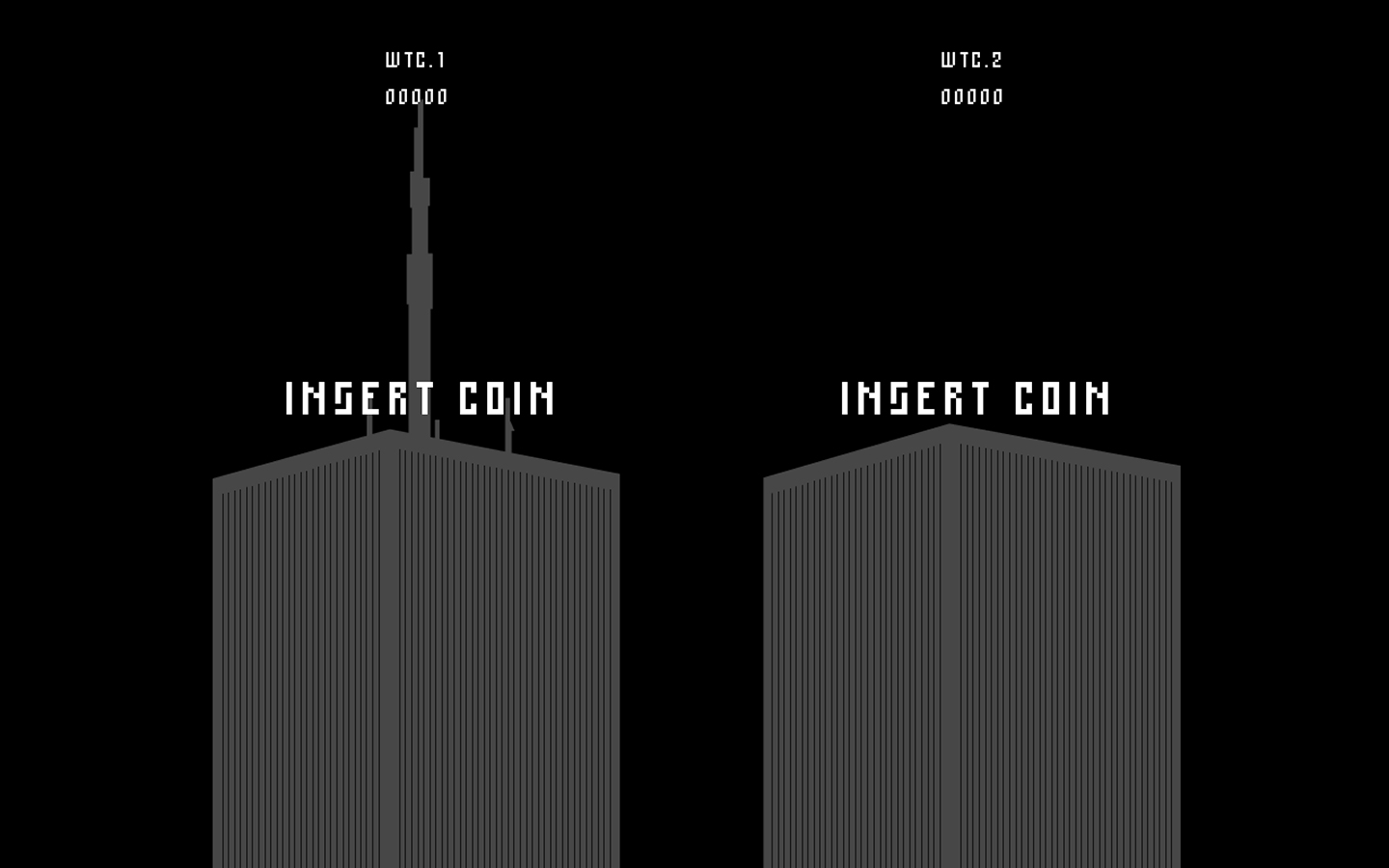
    > The World Trade Center attacks mark a deep cut in our recent history that is still being processed. The French-American artist Douglas Edric Stanley has found an unusual — though obvious — metaphor with his work “Invaders!”, which is based on the 1978 arcade original. In his interactive large installation, the players must prevent the catastrophe by controlling the well- known cannon at the lower screen border with their bodies and firing it using arm movements. Like the original, this trial is ultimately unsuccessful, thus creating an articulated and critical commentary about the current war strategy. In this regard, Douglas Edric Stanley sees Space Invaders as “a social tale that can be related to historical tales without losing its poetic power”. – Andreas Lange, Computerspiele Museum

  • OpenCV for Processing preview

    OpenCV for Processing

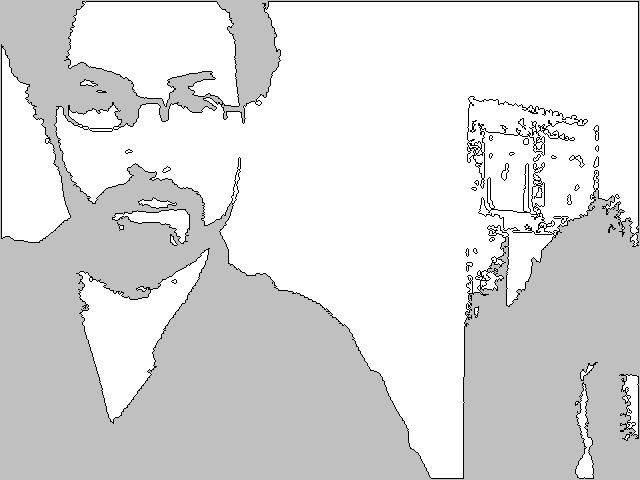
    OpenCV For Processing is an open-source library for integrating basic computer vision analysis and tracking within the Processing environment. It simplifies access to the powerful OpenCV library and offers a Java/JNI wrapper for artists, designers and multimedia developers looking to integrate OpenCV into their project.

  • Le mythe de la mite preview

    Le mythe de la mite

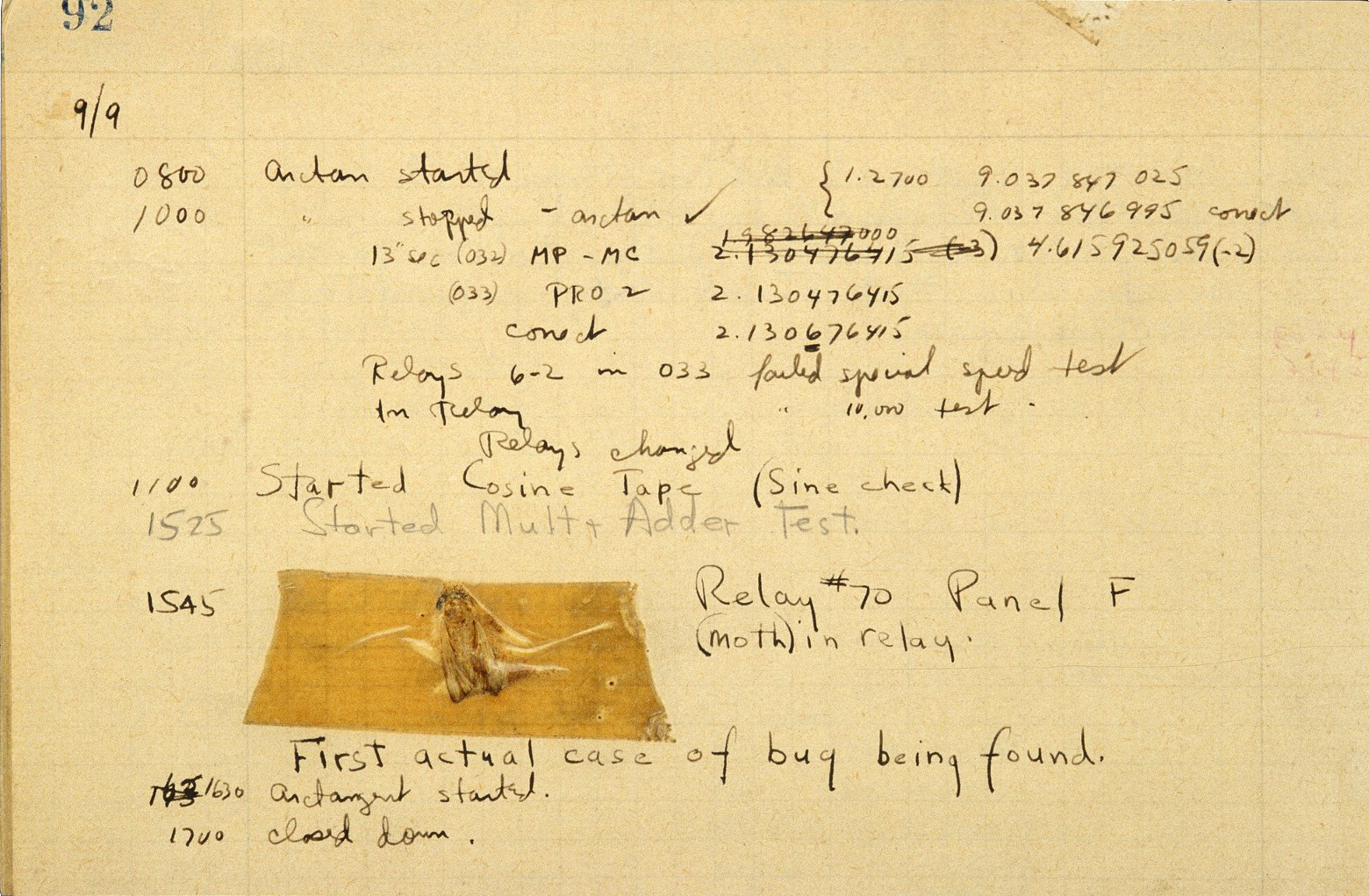
    > Le terme de « bug », c'est-à-dire la « petite bestiole » qui encrasse la machine et l'empêche de fonctionner normalement, ne naît pas avec l'informatique, mais on peut affirmer à l'inverse que cette dernière est née incontestablement -- dans une scène historique très précise -- avec lui. Si le mot « bug » est entrée dans le vocabulaire populaire, c'est justement parce que l'informatique s'est popularisée -- le « personal computer », qui arrive autant infesté de bestioles que toutes les machines qui l'ont précédé.

  • Crypt preview

    Crypt

    Here is a way to postpone the New Year, via the crypt messaging service. To use this service, simply write the recipient’s address, followed by your message. The abstractmachine server will en-crypt your message for a random period between 1 and 365 days, after which it will be de-crypted and sent to the specified address. This encryption service can also be understood as a device for postal deferral. It can be used for New Year’s resolutions, complicated lovers, or perhaps for news so terrible that you simply cannot bring yourself to announce it. Deferral can provide the necessary distance to deal with such difficulties.

  • abstractmachine v87D6 preview

    abstractmachine v87D6

    Through various experiments, installations, and online software, the abstractmachine project asks the question of how we as artists and users can create, manipulate, and ultimately enact digital algorithms. If the specificity of the computer comes not only from it’s digital aspect, but even more so from it’s algorithmic aspect, how does this hyperprogrammable nature transform the media we manipulate — i.e. the images and sounds we design using these machines? Amongst the many machines available within the abstractmachine project, two creation platforms will be presented to illustrate our response to these questions: one dedicated to the creation and manipulation of algorithmic cinema, the other designed around algorithmic musical composition.

  • Concrescence preview

    Concrescence

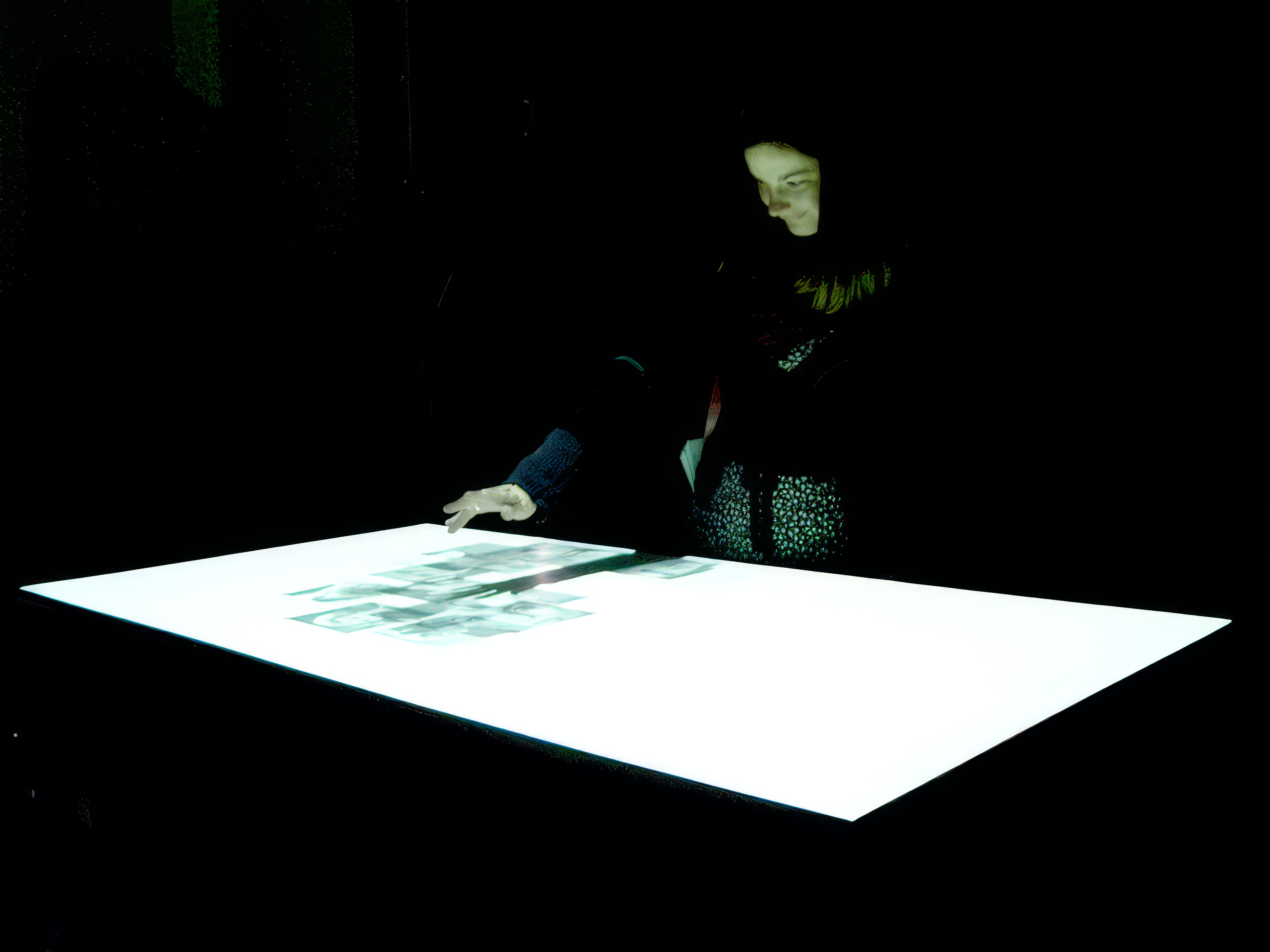
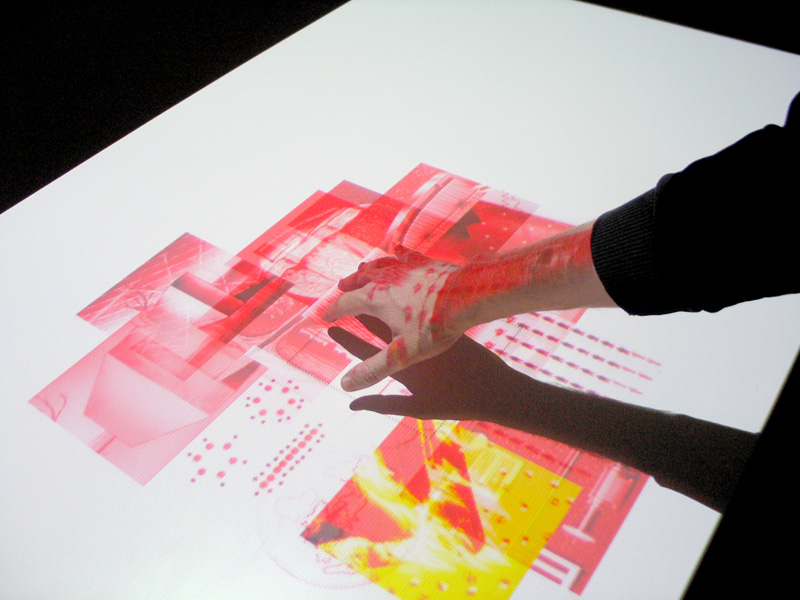
    Concrescence is a software platform for the creation of interactive and generative cinema, coupled with an interactive Hypertable where users can intuitively interact with the film with the use of their hands.

  • 8=8 preview

    8=8

    8=8 is a group of four programmers = four performers = four artists. We each built our own program for my Hypertable platform, then created a program that would group them together for a public performance. The performers/programmers/artists = Naoyuki Tanaka a.k.a. Nao, Pierre-Erick Lefebvre a.k.a. JankenPopp, Thomas Michalak a.k.a. TM, and me. All of us are or have been a part of the Atelier Hypermedia

  • ^3 preview

    ^3

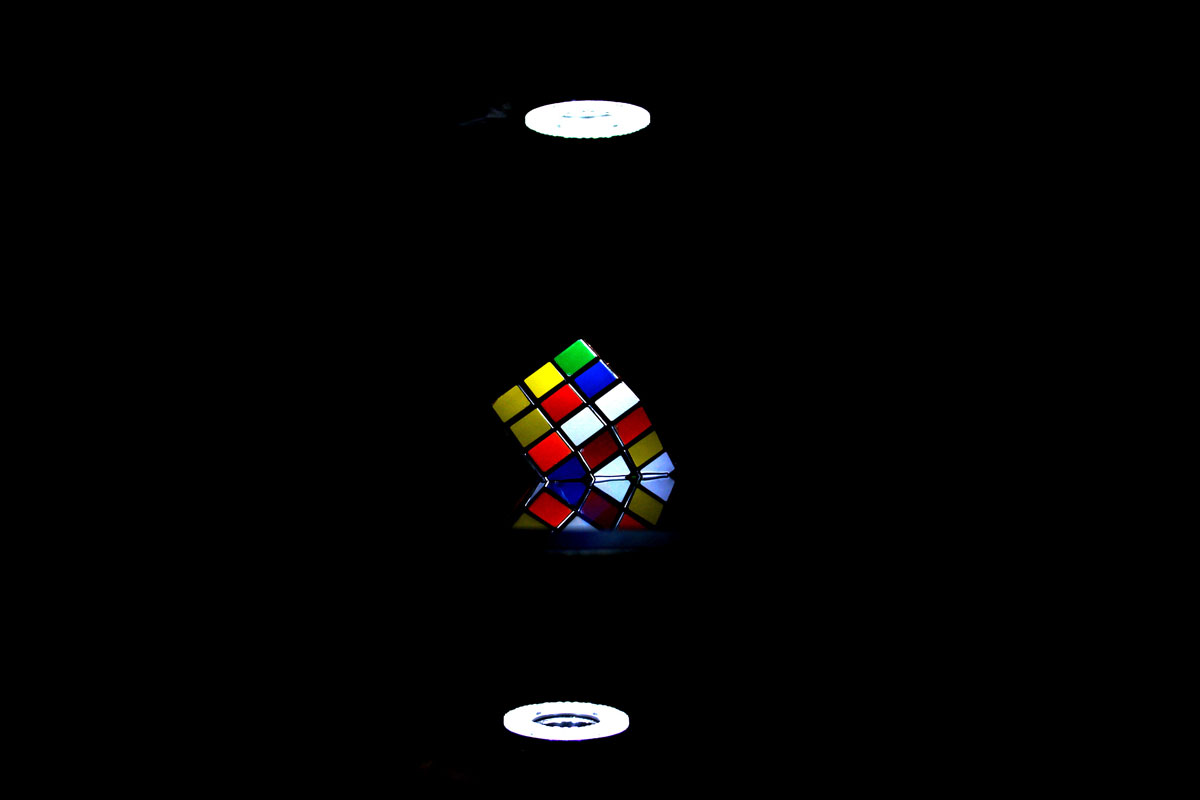
    ³, a.k.a. ^3, a.k.a. ’cubed' is a musical sequencer integrated into a Rubik's Cube®. Each face of the cube uses a different instrument to play notes generated according to the colors on that face. Each face is played in a loop, as if it were a single “track” on a basic electronic music sequencer. Therefore by manipulating the colors on the cube, users generate different sound algorithms within the sequencer.

  • The Signal preview

    The Signal

    “The Signal” is a unique audiovisual narrative, designed specifically for the Abstract Machine Hypertable Hypertable. It maps the mysterious chain of infections that led to a poorly documented telepathic virus that spread throughout the United States of America in a historical period not so far removed from our own. Traces of this virus have been found in the strangest of milieu : in communications technologies, via teenager rituals, in mass media and advertising, through irrigation systems, in sound recordings, in political propaganda and urban myth paranoia, in sociological experiments, etc. “The Signal” charts the virus' growth across the map of the United States, allowing the Hypertable to transform itself into a sort of war map, overlooking the spread of the contagion.

  • The Thousand Faces of Buddha preview

    The Thousand Faces of Buddha

    At the end of a long dark hallway, a faint flickering light of a video projector suggestes the possibility of an image. Using a webcam and infrared lighting, as visitors approach they are offered a mirror reflexion, albeit slightly pixelated and ghostly. This is the "whole" image of narcissus, of the viewer as interactive participant.

  • Object v87D2 preview

    Object v87D2

    Object is at once a game, a puzzle, a universal programming environment, and a video editing suite. The key to "Object" resides in its algorithmic nature: video grows laterally, in mosaics of visual concrescence in which narrative passes from one image to the next within a network of independant and autonomous events. Any type of image can be added to the mosaic, and visitors are invited, via a webcam, to add their own images to the collective database.

  • Asymptote preview

    Asymptote

    In both its mathematical and figurative uses, the term "asymptote" describes a paradox: two elements, by nature incompatible, extend themselves nevertheless towards an infinite point at which their impossible contact can take place.

  • Home
  • Things
  • Tutorials
  • Lexicon
  • Posts
  • Who?
  • en
  • fr